29 June, 2010

I Do? Love, Buddhism and Marriage Vows

By Susan Piver
Last week, we celebrated our 12th wedding anniversary. Twelve years. Long enough to have some sense of what we've gotten ourselves into. Not long enough to know what to do with it all. As we were getting ready to celebrate 12 years of wedded bliss, yes, but also wedded hell, confusion and mystery, I felt like going back to a piece I wrote just before our eighth anniversary to see what had changed. What did those vows mean, all these years on? Did they bear any resemblance to what we imagined when we gazed into each other's eyes and said "I do?"

The short answer is yes. And no, definitely no. So here is my take on the marriage vows I actually made, whether or not they were the ones spoken during our ceremony...

When my husband and I first started to talk about getting married, we covered lots of topics: who would marry us, who to invite, what to wear, whether or not we would be able to convince our favorite Cajun band to learn "Hava Nagila." (We were. Shout out to Steve Riley and the Mamou Playboys.)

Then the most important question came up: what would we say to each other to mark this commitment? What were our intentions and which words expressed them best?
We spent time reading various liturgies, Buddhist and otherwise, and talking about what we liked and disliked about other people's weddings. As we read the words that other couples had spoken to each other, I became increasingly uncomfortable. Most of them ended with "I do." I do...what?

Marriage is a commitment to share love, have sex and try to stay together with this one person, right? Well maybe, but I couldn't promise to do these things. I knew I couldn't say, "I do" to love--feelings change, and keep changing. I also knew I couldn't say yes to wanting to have sex with him for the rest of my life--desire is unpredictable. And ask him to commit to me? Which me? I couldn't commit to remaining the same me. So if you can't say yes to love, sex, or remaining the one each fell in love with, what are you agreeing to when you commit to a relationship?

It's just now, 12 years later, that I'm finding out what, apparently, I said yes to.

I said yes to the unfolding, impenetrable arc of uncertainty. I guess I thought that finding love was an endpoint, that some kind of search was over and I would find home. We would leap over the threshold together into whatever we imagined our ideal cottage to be. But really we stepped through a crazy looking glass. No matter how hard we tried, how madly in love we were, or how skillfully we planned our life together, there was complete uncertainty about what the connection would feel like from day to day. I could give all the love I had (with great joy) and get back a blank stare. I could wake up as my crankiest, most sullen and narcissistic self, roll over, and greet the face of unconditional acceptance. Or not. It's like the weather: you can try to read the signs and guess about atmospheric conditions, but really there's no telling.

As far as I can see, the relationship never stabilizes, ever. In which case you can't actually promise each other anything. This is how it works. I have no idea why. But like when I'm listening to a meteorologist explain why it's going to rain, I think, "Who cares why? I'm just trying to figure out what outfit to wear today."

It seems that I committed to a lifetime of delight and sadness, inseparable from each other. Every time I look into my dear one's eyes and feel how deeply we're connected, the moment disappears before I can actually hold it--and I have to watch that happen. It's excruciating. It's much easier to do this with your thoughts when you're meditating than with the feeling you get from his breath on your shoulder as you fall asleep. But now I get that I have to repeat this until the end of my life, and that somehow this is love's road.

I wish I had known that when you live with someone for a long time, there is continuous, mind-blowing irritation. (Okay, I did know this, but I forgot.) Often the irritation arises when you try to replace your actual partner with who you wish he or she was, because they always figure out a way to tell you how unlike your projection they really are. Once you pick yourself up, that gives you yet another opportunity to choose between who this person is and who you sort of hoped he was. No matter how many times I prompt my husband with the correct lines for his role, he does not get into character. This irritates me. We have to throw away the script and just begin to improvise. You're playing you and I'm playing me. Go.

I didn't really understand that love does not arise, abide, or dissolve in connection with any particular feeling. It has almost nothing to do with feeling. (Nor does it seem to be a gesture, a commitment to stay, becoming best friends, or anything else I might have thought.) Love has become a container in which we live. Through time, riding mysterious waves of passion, aggression, and ignorance (and boredom), I think we began to live within love itself. At least I did. Each time I have opened up, extended myself, accepted what was being offered to me, stepped beyond my comfort zone to embrace him, the structure has been reinforced. I no longer have any idea if I love my husband or not. I can't imagine what the feelings I have for him could be called. I've even given up trying to love him. Our relationship is what gives us love, not the other way around. This is how it is.

And finally we're saying "I do" to good-bye. This bond will end. Hello can only mean goodbye, one way or another. Some relationships are just mistakes. Or people grow and change. Relationships crater and nobody knows why. And if all else fails, we will certainly part at death. Saul Bellow once called this acknowledgment "the black backing on the mirror that allows us to see anything at all," and isn't that just the key to the whole thing? The deeper our connection becomes, the more I know the reality of its ending and the more passionately I'm able to feel his touch. I know this even when I hate him (and he can really be an asshole--I'm not kidding) and when I love him so much that I plead for the opportunity to be married for all our lifetimes.

Each time my love expands by a molecule, it grows a molecule of sorrow. The more I love, the edgier it all feels, and the more courage is required. Where you get this courage, I really don't know. Surprisingly, it just seems to be there. And if you're looking for a crucible in which to heat compassion, this is a really good one. Someone once told me that compassion is the ability to hold love and pain together in the same moment. So at least we're learning something, which is what I tell myself.

Here's something else I've learned about a relationship: Okay, so it's not what you think it's going to be, the feelings are always changing, and you're going to have to say goodbye someday. But when you find your true love, there is something inside that simply and inexplicably says hello to him. Yes to him. Of course to him. Certainly. Obviously it's you. There is no choice. I do.

How Not to Be Afraid of Your Own Li...

28 June, 2010

The mindful enlightenment Buddhist practices can help bring about a new kind of social enlightenment

By Ed Haliwell

A fresh kind of enlightenment is in the air. Madeleine Bunting recently reported on the bold vision for progress being set out by Matthew Taylor at the Royal Society Of Arts. Calling for a new "revolution of the mind", the RSA is grounding its arguments in empirical studies from neuroscience and psychology.

Evidence from these disciplines is making it increasingly clear that we are social creatures with plastic minds, wired for empathy and able to access a consciousness that, if developed, could help release us from the shackles of emotion that so often bind us. Building on its 18th-century precursor, the defining feature of this enlightenment is an understanding that to tackle the world's most pressing problems, we don't just need more action, we need more awareness.

This is familiar territory for Buddhists, whose training is rooted in a path to awakening which holds dear the same kinds of insights – that through experiencing more clearly, we can begin to transcend the suffering that comes from thinking, feeling and behaving as if we are single, separate and solid. As we begin to realise the nature of our predicament through meditative disciplines, we naturally lean towards compassion for others, whose fate is intertwined with our own.

Some 2,500 years separate these appeals to enlightenment, but despite their common ground and aspiration, they can sound very different. One comes in the language of science, backed by observational studies of the brain, say, or human behaviour. The other has an ancient, religious feel – words like Buddha, meditation, even enlightenment (in this context) can prompt negative reactions that stem partly from current attitudes towards religion in our society. Centuries of Buddhism, in its many institutional forms, has no doubt contributed to this perception.

It seems unlikely that the man known as the Buddha would have wanted to establish a religion – his teaching is not a set of things to believe, but considerations for a way of life. Understanding, he said, must come through observation of one's own direct experience – a kind of inner science based on first-person investigation of the body, mind and world. As Stephen Batchelor has pointed out, these core insights are easily cloaked in religious garb when that is the prevailing discourse of the day.

So what happens when Buddhism meets our secular world? Whereas some students of Asian emigre teachers in the 60s and 70s appeared spellbound, wide-eyed with enchantment at exciting foreign rituals, many western teachers have moved on – Jack Kornfield recently explained that "more and more, we're teaching meditation not as a religious activity, but as a support for living a wise, healthy and compassionate inner life". He added that some of his students don't identify as Buddhists, "which is absolutely fine with me".

Some new champions of Buddhist-inspired practice bear no mark of Buddhism at all – from universities and healthcare settings, to schools and boardrooms, mindfulness is being taught without reference to its religious heritage, while Andy Puddicombe's media-savvy Headspace brand is taking meditation to the Jamie Oliver generation. Puddicombe has even managed to get Chris Evans sitting quietly for a second or two.

Traditionalists will complain about babies being thrown out with bathwater, and they may have a point – in our urge to connect with a wider audience, there is the danger of losing important, less palatable messages, honed over thousands of years. But if the Buddha's insights are durable, then surely they can stand the creative tension that comes from attempts, Buddhist and secular, to forge new stretches on the road to enlightenment.

26 June, 2010

စင္ကာပူမွ ၀ါဆိုလျပည့္ဆြမ္းအလွဴရွင္


အိႏၵိယႏိုင္ငံ၊ ဗီဟာရ္ျပည္နယ္၊
ဗုဒၶဂယာေျမျမတ္မဟာ၌ တည္ရွိသည့္
အိႏၵိယႏိုင္ငံဆိုင္ရာပညာသင္ျမန္မာရဟန္းေတာ္မ်ားသာယာဖြံ႕ျဖိဳးေရးအဖြဲ႕ၾကီး

ျမန္မာဗုဒၶဘာသာပညာေရးဗိမာန္ ေတာ္တြင္
စင္ကာပူႏိုင္ငံမွ ဦးေသာ္ထင္ဦး+ေဒါက္တာေစာေဟမာ မိသားစု က အိႏၵိယႏိုင္ငံတြင္ တကၠသိုလ္ပညာဆည္းပူးေနၾကေသာ သံဃာေတာ္ အရွင္ျမတ္မ်ားအား ေန႕ဆြမ္းဆက္ကပ္လွဴဒါန္းခဲ့ပါသည္။


ၾကြေရာက္ေတာ္မူလာၾကေသာ သံဃာေတာ္အရွင္ျမတ္မ်ားက ဆြမ္းအလွဴ႕ရွင္မိသားစုအေပါင္းတို႕ ေလာကီ ေလာကုတၱရာ ႏွစ္ျဖာေကာင္းက်ိဳး တိုးပြားေစေရး ရန္ေဘးကင္းေၾကာင္း ေကာင္းမႈမဂၤလာျဖစ္ပါေစရန္ ေမတၱာပရိတ္မႏၱာန္မ်ား ရြတ္ဖတ္သရဇၥ်ာယ္ခဲ့ၾကပါသည္။ နတ္လူသာဓုေခၚၾကေစေသာ္


Basic beliefs of Buddhism

by Sunshine Ross

The Buddha himself summarized the teachings (dharma) well when he said, "Avoid evildoing (harming), practice virtue well, subdue your mind". This is the core of Buddhist beliefs. It is based on the principles of karma and the wisdom realizing emptiness.

Karma, Nirvana and Emptiness

Buddhists do not believe in a Creator God. The Buddha was a man called Shakyamuni. He developed his mind to such an extent that he became enlightened -someone who is omniscient (all-knowing) and perfectly understands what to give up and what to take up completely ending all suffering, and can emanate anytime, anywhere as anything to help other beings reach that same state.

All buddhists, from all schools of buddhism all believe in the selflessness of persons and selflesness of things. What does this mean? Things do not come from their own side, exuding their own unique qualities, existing in and of themselves. All things depend on causes and conditions. All things depend on their parts. According to the highest philosophical school of buddhism, all things are mere projections based on our past karma.

Who created the world? You did. Your actions (karma) of body, speech and mind created the projection that is this world. If two people or a million people see the same thing like the sun rising, it is their karma is the same for perceiving it so. If one person sees one thing and another person sees another, such as in any argument, likes or dislikes, it is because of their karma is different for perceiving it so.

Shakyamuni, the prince who later on became buddha (an enlightened being) realized this and was able to reach a state "beyond grief" or no more suffering. This state is called nirvana- the permanent cessation of mental afflictions due to the analysis of the four arya truths.

The Four Arya Truths and the Path to Enlightenment (Buddhahood)

What are the Four Arya Truths? These are the realizations of the Buddha Shakyamuni as he sat under the bodhi tree and reached enlightenment : The Truth of Suffering, The Truth of the Origin of Suffering, The Truth of the Cessation of Suffering, The Truth of the Path to End Suffering.

In other words, a buddhist believes that our current state, the realm we live is in suffering. A buddhist does not believe in some permanent happiness to be had in this world or that somehow "life isn't so bad". A buddhist has renunciation (the first of the three principle paths) meaning day and night he is thinking of how to get out of this life and reach

Being happy the Buddhist way

By Rajah Kuruppu

The essence of Buddhism is in the four Noble Truths, namely, Dukkha, the cause of Dukkha, the cessation of Dukkha and the Path leading to the cessation of Dukkha. Thus, all four truths deal with Dukkha. The Buddha Himself declared as follows. "This do I teach and this alone, Dukkha and the cessation of Dukkha.”

Dukkha, a word in Pali, the language of Theravada Buddhism is often translated into English as suffering and this has caused some confusion. Thus, several believe that Buddhism deals only with suffering, the negative aspect, and not about happiness, the positive aspect.

However, a better translation of the Pali term Dukkha is the unsatisfactory nature of life which would include both happiness and sorrow. Even happiness in Buddhism is considered Dukkha because everything is impermanent and nothing is of a lasting nature. Thus, the Buddha included happiness also as Dukkha because of its changing and ephemeral nature. Since the Buddha deals mainly with Dukkha, He is often referred to in Buddhist Literature as the Lord of Dukkha.

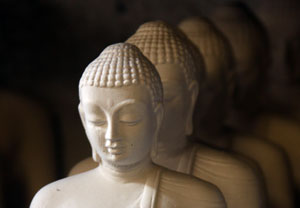
Buddha’s countenance: One of serenity

Yet, the Buddha encouraged His adherents to be happy. After all, the goal in Buddhism is Nibbana, the highest happiness - Nibbanam Paraman Sukkham. So, even prior to the attainment of Nibbana, the followers of the Buddha were advised to be happy. Merely because Buddhism deals with Dukkha, it does not mean that a Buddhist should be melancholy or sorrowful. On the contrary, a Buddhist should be happy living in the present and not regretting the past or speculating over the future. He should understand the true nature of life, that it is a package of the pleasant and the unpleasant experiences and be calm and serene, with less fears and anxieties, and face the vicissitudes of life with understanding and fortitude.

The Buddha Himself was never melancholy or gloomy. Contemporaries described Him as the ever smiling Buddha. Buddhist paintings, sculpture and architecture depict Him with a countenance that is happy, serene, content and compassionate. The Buddha advised His disciples not to be angry or impatient with suffering. By being angry or impatient, one would not overcome suffering but it would actually aggravate one’s troubles and an already disagreeable situation. Anger and hatred are evil emotions that disturb the mental equilibrium of man. What is required is neither anger nor impatience but a clear understanding of suffering, its cause and how to eliminate it and then work towards that goal with perseverance and diligence.

Most persons in an unhappy frame of mind have a negative relationship with society and those who associate with them. At such times, they often tend to impose it on vulnerable persons whenever possible like children and subordinates. On the other hand, when one is in a happy state of mind one often tends to reveal noble qualities of generosity, consideration, understanding and helpfulness.

One way to be happy is to develop the noble quality of Upekkha. It is defined as balance of mind, equanimity or mental equipoise. It rejects both attachment (Anurodha) and resentment (Virodha) and advocates the middle path of being neither attracted nor repelled by desirable and undesirable or pleasant and unpleasant experiences. One accepts that in life there are pleasant and unpleasant experiences. One must accept that these are impermanent and not of a lasting nature, and make the effort as far as possible not to be carried away by success or depressed by failure. This is the seventh and final factor in the seven factors of Enlightenment and the mental health of Arahats who enjoy Upekkha.

So happiness is in the invisible but powerful mind. The importance of the mind for happiness is stressed by the well-known British literary figure, John Milton, who remarked that the mind could make heaven, a hell or hell a heaven. The mind is ours to control and we should direct and guide the mind rather than being led by the mind to realize happiness.

One could also make an effort to be happy with what one does. Taking care or helping a seriously ailing patient could be a trying experience. However, this experience could be transformed to happiness contemplating that a great service is being undertaken for a person in need. The Buddha declared that helping the sick is as good as helping the Buddha Himself.

The Buddha identified the fundamental problem of life which is Dukkha or the unsatisfactory nature of life. All problems of life could be reduced to the fundamental problem of being dissatisfied with life. It is because life is unsatisfactory that all other main religions of the world refer to a heaven after death where the unsatisfactory features of life are absent. The Budda proceeded beyond the identification of the central problem of life of Dukkha and enunciated a Path to overcome Dukkha, namely, the Noble Eight-fold Path.

Thus, some say that Buddhism far from being pessimistic is an optimistic religion where there is a problem and there is a solution to that problem. Others, perhaps more correctly say that it is neither pessimistic nor optimistic but it is a realistic religion.

With regard to happiness, the words of the Dalai Lama, an outstanding propagator of the Dhamma, is relevant. Addressing a large audience in Arizona, USA, he declared as recorded in the book "Art of Happiness", co-authored by the Dalai Lama and Dr. Howard C. Cutler, a psychiatric practitioner in Phoenix, Arizona, USA as follows: " Believe that the very purpose of our life is to seek happiness... whether one believes in religion or not, whether one believes in this religion or that religion we are all seeking something better in life. So, I think that the very motion of or life is towards happiness...."

A quality that should be cultivated for happiness is contentment or to be happy with what is available. It is true that a certain minimum is required for contentment. For laymen, the minimum would vary according to one’s own background and comforts one has enjoyed in the past. However, many people have that minimum but still continue to be discontented, craving for more sense pleasures and making insidious comparisons with others who enjoy higher standards of life. The Buddha emphasized the importance of contentment and stated "Santhusthi Paramam Dhanam" - Contentment as the highest wealth. He added that His Dhamma is for the contented and not for the discontented.

On one occasion, the Buddha told Anathapindika, the great banker, one of His most devoted lay disciples who founded for Him the celebrated Jetavana monastery at Savatthi, that a layman, who leads an ordinary family life has four kinds of happiness। The first happiness is to enjoy economic security or sufficient wealth acquired by just and righteous means (atthi - sukha); the second is spending that wealth liberally on himself, his family, his friends and relatives, and on meritorious deeds (bhoga-sukha); the third to be free from debts (anana-sukha); the fourth happiness is to live a faultless, and a pure life without committing evil in thought, word or deed (anavajja-sukha); The first three of these kinds of happiness are economic, and the Buddha finally reminded the banker that economic and material happiness is not worth one sixteenth part of the spiritual happiness arising out of a faultless and good life।hus, recollecting that one has overall led a harmless and virtuous life could make one happy. Thus, let us make an effort to be happy most of the time despite the fact of Dukkha or the unsatisfactory nature of life. By so doing, we will be encouraging wholesome actions, by word, deed or thought and would be good to those with whom we associate. Being happy is good for oneself and others.


Top to  the page

23 June, 2010

Can A Buddhist Be A Racist Or A Nationalist?

An observer of Sri Lankan politics would notice that many if not all nationalist and racist elements of the Sinhalese community are Buddhists. This was mainly due to the centuries old Buddhist tradition in the country. Some politicians used to claim that they were fighting for the Sinhalese community because the majority Sinhalese were sidelined by pro-Western governments. These claims sometimes reached the proportions of outright racism.

The presence of Buddhist monks in nationalist and even racist organisations and political parties raises a question about the contradiction of theory and practice of Buddhism in Sri Lanka. Does Buddhism condone such practices for the sake of the protection of religion or are these people just misusing Buddhism as a tool to achieve their own ends?

A close study of Buddhism reveals that it is a teaching geared towards liberating oneself of thanha (craving, desire, greed). All creatures including you who are reading this and I who is writing are in a continuous cycle of life and death called sansara. Our desire for worldly things create a cause for the sansara to perpetuate until we are unable to find a way to dispense with this desire. Buddhism shows the path to overcome desire and attain Nirvana.

A racist is a person who loves his race and thinks of it as superior to other races. A nationalist will promote his nation over all others. All these are forms of desire, a craving to see the betterment of one’s own race or nation against those of others. So, they are trying to protect worldly things rather than trying to attain Nirvana.

Sadly, this applies to all the monks and laymen who declare themselves to be nationalist and patriotic while being Buddhist. What is more alarming is that openly racist elements (by deeds if not by words) are claiming to be hard-line Buddhists. But this contradicts the very basic teaching of Buddhism about overcoming desire. Therefore it is obvious that the so called ‘hard-line’ Buddhists are actually misguided Buddhists who are distorting a great teaching to attain their own worldly goals.

A Buddhist can never be a racist, a nationalist or a promoter of any petty political doctrine।

By Chamara Sumanapala

Buddha, sangha and dharma

On the spiritual path there are three factors: Buddha, the master or the presence of the enlightened, sangha, the commune or group, and dharma, your true nature. Life blossoms naturally when there is a balance between the three.

The Buddha is a doorway, and the doorway needs to be more charming than what lies beyond so that people come to the doorway. If you are out in the street and there is rain and thunder, or scorching weather, you feel the need for a shelter. You look and find a doorway. Have you noticed that then, the doorway is more inviting and joyful than anything else in the world?

Similarly, the closer you get to the master, the more charm, newness and love you feel. Nothing in the world could give that much peace, joy and pleasure. It’s like depth without a bottom. This is a sign that you have come to the master.

Once you enter the door, you see the world from there, from the eyes of the master. Then in any situation you will think: How would the master handle this? See the world from the eyes of the master and the world looks so much more beautiful as a place filled with love, joy, cooperation and compassion.

Looking through the doorway there is no fear. From inside your home, you can look at the storm and the bright sun too; yet you can be relaxed as you are in the shelter. Such a sense of security, fullness and joy comes. That is the purpose of having a master.

Sangha is charming from a distance, but the closer you get, it pushes all your buttons and brings out all the unwanted things from within you. If you think a group is good it means you are not yet completely with the group. When you are totally part of that group, you will find that some bickering will come up. But you are the one who makes the group so if you are good, your group will also be good.

Sangha has a reverse nature to Buddha. Buddha makes your mind one-pointed; sangha, because it is of so many people, can scatter your mind, fragment it. Once you are used to a sangha, it loses its charm. This is the nature of sangha. Still, it is very supportive. If it were repulsive all the time, then nobody would be part of sangha.

Buddha uplifts with Grace, love and knowledge, Buddha pulls you up from above, and sangha pushes you up from below.

Dharma is to be in the middle. Avoiding extremes is your nature to be in balance, to smile from the depth of your heart, to accept entire existence totally as it is. Often you crave for Buddha and are averse to sangha, and you try to change; but by changing sangha or Buddha, you are not going to change.
The main purpose is to come to the centre deep within you, which means to find your dharma. A sense of deep acceptance for this moment, for every moment, is dharma. All problems and negativity are generated from our mind.

The world is not bad; we make our world ugly or beautiful. So when you are in your dharma, your nature, you will blame neither the world nor the Divine.

Dharma is that which puts you in the middle and makes you comfortable with the world। It allows you to contribute to the world, be at ease with the Divine, to feel part of the Divine.

Direct experience is best

Ashok Vohra
Known variously as ‘the awakened one,’ Tathagata or ‘the one who has attained the highest truth’, and Sakyamuni or ‘the sage of the Sakyas,’ the Buddha has had great impact on those exposed to his teachings।

Written down some 400 years after his death, Buddha’s philosophy came to be classified into three pitakas or baskets। Vinayapitaka prescribes rules for conduct of monks; Suttapitakas contain the conversations of the Buddha about practical methods of spiritual attainment; and the Abhidhammapitakas deal with Buddha’s teachings on psychology and ethics.

The Tathagata has no “theories”. His teachings are not about theory but praxis. Secondly, Buddha regards all metaphysical discussion concerning the ultimate nature of reality, atman and Brahmn as “vain talk”. The aim of such talk, according to him, is to satisfy curiosity while ignoring ground realities. He considered some metaphysical questions to be unnecessary and useless, while what he upheld could not be answered in logical terms.

The first type can be illustrated by the kind of questions asked by an injured person who has been brought to a physician for treatment. Before describing the nature of his injuries he wants to know the colour, caste and creed of the person who has injured him. These questions ignore his immediate needs and are a waste of time.

The second kind of questions relate to the nature of Self, soul, Brahmn or ultimate reality. The Buddha maintained silence when faced with opposing questions like: Is there Self, or no Self?’ He was silent because these questions relate to direct experience, they are beyond logic, and can be known only by intuition. They are not the subject matter of discursive knowledge.

However, Buddha’s silence does not mean that he denied the existence of anything abiding, permanent and unchangeable. In a sermon he asserts: “There is an unborn, unoriginated, unmade, an uncompounded; were there not, there would be no escape from the world of the born, the originated, the made, and the compounded.”

Buddha held that the nature of enduring, simple reality couldn’t be defined, for the nature of reality is beyond sense experience. Like a colour, say red, it can only be experienced, not described. Likewise you know the nature of reality by venturing into your inner self. When we try to define reality we reach the limits of language. The only thing we can say (as Wittgenstein said) is: “What we cannot speak about we must pass over in silence.”

Buddha, therefore, advises: “Be ye lamps unto yourselves. Be ye a refuge to yourselves. Betake yourselves to no external refuge.” Only those bhikhus shall know the nature of ultimate reality and attain nirvana, who “shall look not for refuge to anyone besides themselves” and who are “anxious to learn”.

Those who are anxious to learn must experiment and accept their own findings. They should be guided neither by external dogmas nor creeds, nor by alien doctrines and theories, no matter how profound they may be. They do not have to believe the experiences of others, howsoever authentic they may be. They should trust their own experience. Nothing is to be accepted on authority even if it is of the Buddha, what to talk of Vedas or realised ones.

To the Buddha, self-verification through self-experience is the way to “peace of mind, to higher wisdom, enlightenment, to nirvana”. Nirvana is not an afterlife experience. It is here and now.

(The writer teaches philosophy at Delhi University)

21 June, 2010

ရုရွားသမၼတမက္ဒီဗက္ရဲ႕ဓမၼသ၀ဏ္လႊာ


ရုရွားႏိုင္ငံသမၼတၾကီးကိုယ္တိုင္ေပးပို႕ထားတဲ့ ဓမၼသ၀ဏ္လႊာေကာက္ႏႈတ္ခ်က္ပါ။ ရုရွားႏိုင္ငံ၊ ဗုဒၶဘာသာ သံဃရာဇာရဲ႕ ၁၅ ႏွစ္ေျမာက္သံဃရာဇာနန္းတက္ပြဲအခမ္းအနားမွာ ရုရွားႏိုင္ငံသံဃရာဇာ ဒမၺ အယုေရွ ယက္ဗ္ထံ သမၼတၾကီး ဒီမီထရီမက္ဒီဗက္ကိုယ္တိုင္ ေၾကးနန္းနဲ႕ ဓမၼသ၀ဏ္ပါးခဲ့ပါတယ္။

သမၼတၾကီးရဲ႕ ဓမၼသ၀ဏ္လႊာမွာ “ ဒီႏွစ္မ်ားစြာအတြင္း အရွင့္အေနျဖင့္ ကြ်ႏ္ုပ္တို႕၏ တာ၀န္ျဖစ္ေသာ သာသနာျပဳလုပ္ငန္းမ်ားကို ျဖည့္ဆည္းလ်က္ ဗုဒၶဓမၼ၏ ထာ၀ရတန္ဖိုးမ်ားကို အရွင္ေဟာၾကားခဲ့ေပသည္။ ေရွးေဟာင္းဘာသာတရားကို ယံုၾကည္ကိုးကြယ္ၾကသည့္ လူထု၏ ဘာသာေရးႏွင့္ စာရိတၱအေတြး အေခၚမ်ားခိုင္မာသန္စြမ္းေစရန္ အရွင္အားထုတ္ေနျခင္းျဖစ္ပါသည္။” လို႕ ေဖာ္ျပခဲ့ပါတယ္။

ရုရွားႏိုင္ငံအတြင္းမွာ ဘာသာေရးနဲ႕ ပညာေရးဆိုင္ရာစင္တာေတြကို ထိန္းသိမ္းေစာင့္ေရွာက္ေနတဲ့ သံဃရာဇာရဲ႕ အားထုတ္မႈကိုလည္း

“အရွင့္အေနျဖင့္ ရုရွားႏိုင္ငံတြင္ ဗုဒၶဓမၼဆိုင္ရာ ဘာသာေရးႏွင့္ ပညာေရးစင္တာမ်ား ထိန္းသိမ္းေစာင့္ ေရွာက္ႏိုင္ရန္ ေက်ာင္းေတာ္သစ္မ်ားကို တည္ေဆာက္ ေနျခင္းျဖစ္ပါသည္။ ဗုဒၶဘာသာရိုးရာ သံဃာ့အဖြဲ႕သည္ ကြ်ႏ္ုပ္တို႕ႏိုင္ငံအတြင္း၀ယ္ အသိၪာဏ္ပညာႏွင့္ ဘာသာတရားမ်ား အခ်င္းခ်င္း အျပန္အလွန္ ဆက္ဆံမႈ ဆိုင္ရာ ဒိုင္ယာေလာ့ခ္မ်ား ထြန္းကားေအာင္ တက္ၾကြစြာ ေဆာင္ရြက္ေနျခင္းျဖစ္သကဲ့သို႕ ျပည္တြင္း ျငိမ္းခ်မ္းေရးႏွင့္ ညီညြတ္ေရးကို ထိန္းသိမ္းေနျခင္းလည္း ျဖစ္ပါသည္” လို႕ ဆက္လက္ ေဖာ္ျပခဲ့ပါတယ္။

လြန္ခဲ့တဲ့ႏွစ္ ၾသဂုတ္လကလည္း သမၼတၾကီးမစၥတာမက္ဒီဗက္ဟာ သံဃရာဇာေက်ာင္းတိုက္ကို သြားေရာက္ လည္ပတ္ခဲ့ပါေသးတယ္။ ဒါဟာ ရုရွားေခါင္းေဆာင္တစ္ေယာက္အေနနဲ႕ ၁၆ ႏွစ္တာကာလအတြင္း ပထမဆံုး သြားေရာက္လည္ပတ္ခဲ့ျခင္းလည္း ျဖစ္ပါတယ္။ ၁၉၉၃ ခုႏွစ္က သမၼတၾကီးေဘာရစ္ယဲ့ဆင္ သြားေရာက္ ခဲ့ဖူးေပမယ့္ သမၼတမစၥတာ ပူတင္ကေတာ့ ဗုဒၶဘာသာဘုန္းေတာ္ၾကီးေက်ာင္းမ်ားကို တစ္ေခါက္မွ သြားေရာက္ ျခင္းမရွိခဲ့ပါဘူး။

ရုရွားႏိုင္ငံမွာ ဗုဒၶဘာသာ၀င္ဦးေရ သန္းနဲ႕ခ်ီၿပီးရွိပါတယ္။ ဆိုဗီယက္ယူနီယံေခတ္မွာ ဗုဒၶဘာသာ ေက်ာင္းေတာ္မ်ားစြာဟာ အပိတ္ခံခဲ့ရပါတယ္။ ဆိုဗီယက္ယူနီယံၾကီးၿပိဳကြဲၿပီးတဲ့ေနာက္ပိုင္းမွာမွ ၁၉၉၁ ခုႏွစ္က စၿပီး အစိုးရရဲ႕ အေထာက္အပံ့ကို ျပန္လည္ရရွိခဲ့တာပါ။ ရုရွားအာဏာပိုင္ေတြဟာ ဗုဒၶဘာသာလားမား ရဟန္းေတာ္ေတြကို ရုရွားတပ္မေတာ္မွာ ဘာသာေရးအရာရွိ(Chaplain)ေတြအျဖစ္ ခန္႕အပ္တာ၀န္ ေပးဖို႕အထိ စီစဥ္ခဲ့ၾကပါတယ္။

ဆိုဗက္ယက္လြန္ရုရွားမွာ တိဘက္လားမားရဟန္းေတာ္ေတြက ရုရွားဗုဒၶဘာသာ ျပန္လည္ ထြန္းကားေရး အတြက္ အဓိကေနရာက ပါ၀င္ခဲ့ၾကပါတယ္။ ရုရွားမွာ ရွိတဲ့ဗုဒၶဘာသာ၀င္ေတြက မြန္ဂိုႏြယ္ေတြျဖစ္ပါတယ္။ အဲဒီခရီးစဥ္မွာ သမၼတၾကီးမက္ဒီဗက္က ဗုဒၶဘာသာေက်ာင္းေတာ္ေတြေဆာက္ဖို႕ ႏိုင္ငံေတာ္က ေထာက္ပံေပးမယ့္ အေၾကာင္းနဲ႕ ျပည္ပက အကူအညီေတြကို ေမွ်ာ္လင့္စရာမလိုေၾကာင္း၊ သူလာေရာက္ လည္ပတ္ျခင္းဟာ ႏိုင္ငံေတာ္နဲ႕ ရုရွားရိုးရာကိုးကြယ္မႈဘာသာတရားမ်ားၾကား ဆက္ႏႊယ္မႈရွိတာကို သက္ ေသျပျခင္းျဖစ္ေၾကာင္း ေျပာၾကားခဲ့ပါတယ္။

ဓမၼဂဂၤါ

(၂၃-၀၆-၂၀၁၀)

မူရင္းစာမ်က္ႏွာ(၁)

မူရင္းစာမ်က္ႏွာ(၂)

အေရွ႕ကိုလည္းေလွ်ာက္အေနာက္ကိုလည္းေမွ်ာ္

ဒီေန႕ရက္ေတြမွာ သူ႕ရဲ႕ နက္တ္ဘြတ္ခ္ေသးေသးေလးဟာ နာမက်န္းျဖစ္သြားခဲ့ပါတယ္။ (ခုေတာ့ BHU တကၠ သိုလ္ၾကီးက ကြန္ျပဴတာမန္းမႈတ္တတ္တဲ့ မိတ္ေဆြရဟန္းေတာ္တစ္ပါးရဲ႕ ေက်းဇူးနဲ႕ နာလန္ထသြားပါၿပီ၊ ပီစီလူနာၾကိဳပို႕ေပးတဲ့ ေရႊမ်က္မွန္ကိုယ္ေတာ္ေလးကိုလည္း ေက်းဇူးတင္ရပါတယ္၊) မိတ္ေဆြရဟန္း ေတာ္မ်ားရဲ႕ အင္တာနက္အားလပ္ခ်ိန္ေတြမွာ ပီစီအလြတ္ေတြကို အသံုးျပဳခြင့္ရေနတာမို႕ ဓမၼဂဂၤါစီးဆင္းမႈက ေတာ့ ရပ္မသြားခဲ့ပါဘူး။ ေခါင္းစဥ္ေပးၿပီးသား ေရးလက္စေတြ ပစ္ထားခဲ့မိတာ ၾကာပါၿပီ၊ (တစ္ခ်ိဳ႕ကိုယ္ေရး ကိုယ္တာ အေၾကာင္းေတြကေတာ့ ရာစုသစ္ရဟန္းတစ္ပါးရဲ႕ေကာက္ေၾကာင္းကို ျမင္သာေအာင္ ေကာက္ျခစ္မိ တာပါ။ ဘာသံမွ ျပန္မၾကားရလို႕ ဖတ္တဲ့သူေတာ့ ရွိဟန္မတူပါဘူး၊ )

ယေန႕ဗုဒၶဘာသာဆိုတဲ့ ေခါင္းစီးေလးေအာက္မွာေတာ့ ႏိုင္ငံတကာဗုဒၶဘာသာသတင္းနဲ႕ ေဆာင္းပါးအခ်ိဳ႕ကို တင္ျဖစ္ခဲ့ပါတယ္။ ေရႊျပည္ၾကီးရဲ႕ သာသနာ့သတင္းသုတေတြနဲ႕တင္ မလံုေလာက္ေတာ့ဘူးဆိုတာ တစ္ေန႕ တစ္ျခားယံုၾကည္လာတာလည္း ပါပါတယ္။ အားနည္းခ်က္အားသာခ်က္ေတြ ယွဥ္ထိုးသံုးသပ္ႏိုင္ဖို႕ပါ။ ဒိေန႕ေတာ့ Look East or Look West? Is there a choice? ဆိုတဲ့ MSN Menon ရဲ႕ ေဆာင္းပါးတစ္ပုဒ္ကို ေကာက္ဖတ္မိပါတယ္။ အိႏၵိယႏိုင္ငံၾကီးရဲ႕ လားရာကို ေမွ်ာ္ၾကည့္ထားတဲ့ ေဆာင္းပါးတစ္ပုဒ္ပါ။ ဗုဒၶဘာသာနဲ႕လည္း ဆက္စပ္ေနလို႕ မွ်ေ၀လိုက္ပါတယ္။
ဓမၼဂဂၤါ
(၂၁-၀၆-၂၀၁၀)

အေရွ႕ကိုလည္း ေလွ်ာက္၊ အေနာက္ကိုလည္း ေမွ်ာ္

ဂႏၶီၾကီးနဲ႕ ေနရူးတို႕ဟာ အေနာက္ေမွ်ာ္သမားေတြျဖစ္ၿပီး တဂုိးၾကီးကေတာ့ စၾကာ၀ဠာသားၾကီးတစ္ဦးေပါ့။ က်န္တဲ့ႏိုင္ငံ့ေခါင္းေဆာင္အမ်ားစုဟာလည္း အေနာက္ယိမ္းသူေတြပါပဲ။ ဒါေပမယ့္ သူတို႕အားလံုးဟာ အေရွ႕တိုင္းႏိုင္ငံေတြနဲ႕ ထိေတြ႕ဖို႕လိုတယ္ဆိုတာကိုေတာ့ ခံစားမိၾကပါေသးတယ္။

ကြ်န္ေတာ္တို႕ဟာ အေရွ႕နဲ႕ဆိုင္သလား အေနာက္က ပိုင္သလား၊ ႏွစ္ခုလံုးနဲ႕ ပတ္သက္ေနတာပါ။ ဒီကိစၥနဲ႕ေတာ့ မကြဲလြဲပါေစနဲ႕။ အေမရိကန္လႊမ္းမိုးမႈကို ၾကံ့ၾကံ့ခံဖို႕ အေရွ႕တိုင္းအင္းအားစုနဲ႕ ေပါင္းစည္းရမွာ ျဖစ္သလို ၿငိမ္းခ်မ္းတဲ့ ကမၻာသစ္ကို ဖန္တီးဖို႕ အေမရိကန္အင္အားစုနဲ႕ စည္းလံုးရမွာျဖစ္ပါတယ္။

အာရယန္(အရိယန္)ေတြဟာ အေနာက္ကလာတယ္လို႕ ေျပာၾကတယ္၊ အဲဒီအတြက္ အေထာက္ အထားမရွိပါဘူး၊ ဒါေပမယ့္ အာရယန္ေတြဟာ အျမင္က်ယ္တဲ့ လူမ်ိဳးေတြပါပဲ။ အေသာကဟာ သူရဲ႕သားေတာ္ အရင္းအခ်ာကို ဗုဒၶေဒသနာသတင္းစကားျဖန္႕ခ်ီဖို႕ အေရွ႕ကို ေစလႊတ္ခဲ့ၿပီး သူ႕ရဲ႕ သာသနာျပဳရဟန္းေတာ္ ေတြကိုေတာ့ ဗုဒၶသာသနာျဖန္႕ခ်ီဖို႕ အေနာက္ကို လႊတ္ခဲ့ပါတယ္။ အေသာကအတြက္ အေရွ႕ေရာ အေနာက္ေရာဟာ အေရးၾကီးေနတာပဲ မဟုတ္လား။

ဗုဒၶဘာသာ(ထြန္းကားခဲဖူးတဲ့)အိႏၵိယႏိုင္ငံေတာ္ဟာ အေရွ႕၊ အေနာက္ႏွစ္ခုလံုးအတြက္ တူညီစြာပဲ အေရး ထားခဲ့တယ္။ ဗုဒၶဘာသာရဟန္းေတာ္မ်ားဟာ အီဂ်စ္လိုႏိုင္ငံမ်ိဳးထိ ေရာက္ေအာင္ သာသနာလမ္း ေဖာက္ ခဲ့ၾကပါတယ္။ တရုတ္ႏိုင္ငံကိုလည္း ဘီစီ ႏွစ္ရာစုမွာ ေရာက္ေအာင္ သြားခဲ့ၾကပါတယ္။ အိႏၵိယအတြက္ေတာ့ ကမၻာၾကီးတစ္ခုလံုးဟာ အၿမဲတမ္း မိသားစုပမာ ျဖစ္ခဲ့ပါတယ္။ ဗုဒၶဘာသာ၀င္ေတြကေတာ့ မူစလင္ေတြ ၀င္ေရာက္က်ဴးေက်ာ္တဲ့ ေအဒီ ၁၂ ရာစုအထိ အၿမဲတမ္း သာသနာျပဳမစ္ရွင္မ်ားအျဖစ္ တက္ၾကြခဲ့ၾကတာပါ။ မူစလင္ေတြ ၀င္ေရာက္က်ဴးေက်ာ္မႈကေတာ့ ဗုဒၶဘာသာေက်ာင္းေတာ္၀ိဟာရ္မ်ား က်ဆံုးခန္းပါပဲ။

တကယ္ေတာ့ အဲဒီကာလေတြဟာ ဟိႏၵဴေတြကိုယ္တိုင္လည္း သိုသိုသိပ္သိပ္ေနခဲ့ရတဲ့အတြက္ ဟိႏၵဴေတြရဲ႕ ကံၾကမၼာလည္း ျဖစ္ပါတယ္။ မူစလင္အုပ္စိုးမႈကာလအတြင္းမွာ ဟိႏၵဴေတြဟာ ကမၻာ့မ်က္ႏွာစာမွာ ေနရာမရ ေအာင္ ျဖစ္ခဲ့ရတာပါ။

ဒီအေျခအေနဟာ ၿဗိတိသွ်ေတြအုပ္စုိးတဲ့ ေခတ္တိုင္ေအာင္ ဆက္လက္တည္တ့ံခဲ့ပါတယ္။ ကမၻာ့တံခါးခ်ပ္ ေတြကေတာ့ ဟိႏၵဴေတြအတြက္ ပြင့္ေတာ့ပြင့္ပါရဲ႕၊ ဒါေပမယ့္ အ၀င္က ခက္ေနခဲ့ပါတယ္။ အေၾကာင္းရွာေတာ့ အာရွႏိုင္ငံအမ်ားစုဟာ ကိုလိုနီလက္ေအာက္မွာ က်ေရာက္ေနၿပီး အိႏၵိယအမ်ိဳးသားေရး ၀ါဒီေတြကို အဲဒီႏိုင္ငံ ေတြမွာ ၾကိဳဆိုမယ့္သူမရွိျဖစ္ေနခဲ့တာပါ။

အထူးအဆန္းလည္း ျဖစ္ေကာင္းျဖစ္ႏိုင္ပါတယ္။ ဂႏၶီၾကီးနဲ႕ ေနရူးတို႕ဟာ အေနာက္ေမွ်ာ္သမားေတြ ျဖစ္ေနၾကၿပီး တဂိုးၾကီးက စၾကာ၀ဠာႏိုင္ငံသားၾကီး ျဖစ္ေနခဲ့တာေလ။ က်န္တဲ့ ႏိုင္ငံေခါင္းေဆာင္အမ်ားစု ဟာလည္း အေနာက္ယိမ္းသူေတြ ျဖစ္ေနၾကပါတယ္။ ဒါေပမယ့္ သူတို႕အားလံုးဟာ အေရွ႕တိုင္းႏိုင္ငံေတြနဲ႕ ထိေတြ႕မႈရွိရ မယ္လို႕ေတာ့ ခံစားေနမိၾကၿပီးသားပါ။

ဒီလိုနဲ႕ လြတ္လပ္ၿပီးစ အိႏၵိယရဲ႕ ပထမဆံုးအက္ဥပေဒက အာရွဆက္ဆံေရးညီလာခံၾကီး က်င္းပဖို႕ ပဲျဖစ္ပါတယ္။ အဲဒီအတြက္ အိႏၵိယရဲ႕ အေရွ႕နဲ႕ ထိေတြ႕မႈဟာ ပံုမွန္တိုးတက္ခဲ့ပါတယ္။ ဘက္မလိုက္ လႈပ္ရွားမႈ ကလည္း အေရွ႕တိုင္းႏိုင္ငံေခါင္းေဆာင္ေတြကို အမ်ားဆိုင္စၾကၤန္လမ္း (Common Platform)ဆီ ဆြဲေခၚႏိုင္ ခဲ့ပါတယ္။

ဒါေပမယ့္ အိႏၵိယဟာ အေၾကာင္းအမ်ိဳးမ်ိဳးေၾကာင့္ အေနာက္တိုင္းႏိုင္ငံေတြနဲ႕ ကနဦးကပဲ အဆက္အဆံ ရွိေနခဲ့ပါၿပီ။ အဲဒီႏိုင္ငံေတြထဲမွာမွ အေမရိကန္ဟာ တစ္ခုတည္းေသာ ၿမီရွင္ႏိုင္ငံၾကီးလည္းျဖစ္၊ လက္နက္က လည္း ျပည့္စံု၊ ကမၻာ့ အင္အားၾကီးႏိုင္ငံလည္း ျဖစ္ေနျပန္ေတာ့ အေမရိကန္ကို ေျခစံုကန္ဖို႕ဆိုတာ မစဥ္းစား အပ္တဲ့အရာျဖစ္ေနခဲ့ပါတယ္။

တရုတ္ႏိုင္ငံရဲ႕ ရန္လိုတဲ့ ေပၚလစီဟာ အေရွ႕တိုင္းႏိုင္ငံမ်ားၾကားက ထိတ္လန္႕စိုးရြံ႕မႈရဲ႕ အဓိက အေၾကာင္းတရားျဖစ္ေနခဲ့ပါတယ္။ တရုတ္ႏိုင္ငံၾကီးဟာ အာရွၾကီးစိုးေရးအတြက္ တာ၀န္ရွိပါတယ္။ အက်ိဳးဆက္ ကေရာ တဲ့။ အေမရိကန္ဟာ အာရွကို လႊမ္းမိုးႏိုင္ဖို႕နဲ႕ အာရွႏိုင္ငံေတြရဲ႕ အဓိကႏိုင္ငံေရးေတြေပၚမွာ ဗီတိုအာဏာျဖန္႕ႏိုင္ဖို႕ ဆက္အားထုတ္ခဲ့ပါတယ္။ ခ်ဳပ္လိုက္ရင္ေတာ့ အေမရိကန္ဟာ အာရွရဲ႕ကံၾကမၼာကို ဆက္ၿပီးေတာ့ လမ္းညႊန္ေနခဲ့တာပါ။ ဒါကို ၾကံ့ၾကံ့ခံၾကရမွာပါ။ ဒါေတြေၾကာင့္လည္း အိႏၵိယဟာ အေမရိကန္လႊမ္းမိုးမႈကို ကာကြယ္ဖို႕ ဗုဒၶဘာသာႏိုင္ငံေတြနဲ႕ စည္း၀ါးကိုက္ေနရမွာ ျဖစ္ပါတယ္။

အာရွမွာ စစ္ပြဲဟာ ျဖစ္ႏိုင္ေျခရွိပါတယ္။ ေရွာင္လႊဲလို႕မရႏိုင္ပါဘူး။ ဒါေၾကာင့္လည္း ဟိႏၵဴနဲ႕ ဗုဒၶဘာသာေတြဟာ စစ္ကို ကာကြယ္ဖို႕ တစ္လမ္းတည္းေလွ်ာက္ၾကရမွာပါ။ အမ်ားညီေနၾကရမွာပါ။

ကမၻာမွာ ဗုဒၶဘာသာနဲ႕ ဟိႏၵဴဘာသာ၀င္ဦးေရဟာ သန္းႏွစ္ေထာင္အထက္မွာ ရွိပါတယ္။ ကမၻာ့လူဦးေရရဲ႕ သံုးပံုတစ္ပံုအေရအတြက္ပါပဲ။ ကမၻာမွာ အေရးပါအရာေရာက္တဲ့ အေရအတြက္ျဖစ္သလို အာရွရဲ႕ လြတ္လပ္ေရးကို ထိန္းသိမ္းႏိုင္စြမ္းလည္း ရွိပါတယ္။

တျပိဳင္တည္းမွာပဲ အိႏၵိယဟာ ကမၻာ့ၿငိမ္းခ်မ္းေရးကို တည္ေဆာက္ဖို႕ အေမရိကန္နဲ႕လည္း လက္တြဲရမွာပါ။ အင္အားၾကီးႏိုင္ငံတစ္ခုအျဖစ္ အိႏၵိယဟာ သီးျခားရပ္တည္လို႕မရႏိုင္ပါဘူး။ အစၥလာမ္အၾကမ္းဖက္မႈက အားလံုးကို လႊမ္းမိုးထားတာပါ။ ဒါေပမယ့္ အားလံုးက အၾကမ္းဖက္မႈဆန္႕က်င္ေရးစစ္မွာ ပါ၀င္ၾကတာေတာ့ မဟုတ္ေပဘူး။ တရုတ္ႏိုင္ငံကို ကြ်န္ေတာ္တို႕နဲ႕ အတူပူေပါင္းဖို႕ ေမွ်ာ္လင့္လို႕မရသလို ရုရွားကလည္း ကမၻာ့အေရးအခင္းေတြမွာ ပါ၀င္ပတ္သက္ဖို႕ စိတ္၀င္စားမႈမရွိျပန္ဘူး။

အိႏၵိယဟာ အေရွ႕ကို ေလွ်ာက္ၿပီး အေနာက္ကိုလည္း ေမွ်ာ္ရမွာပါ။ ဒါဟာ ကြ်န္ေတာ္တို႕ မလြဲမေသြ လက္ခံၿပီး ပေ၀သဏီက ဆုပ္ကိုင္ထားခဲ့တဲ့ မာနေတြကို ခ၀ါခ်ရေတာ့မယ့္ အိႏၵိယရဲ႕ ကံၾကမၼာသစ္ပဲ ျဖစ္ပါတယ္။ ကမၻာမွာ အသစ္ရွင္သန္မယ့္ အိႏၵိယႏိုင္ငံတစ္ႏိုင္ငံတည္းက ဆန္႕က်င္ဘက္အင္အားစုေတြကို ရင္ဆိုင္ႏိုင္ စြမ္းရွိတယ္ ဆိုတဲ့ ရွင္းလင္းျပတ္သားတဲ့ အသိအမွတ္ျပဳမႈေတာ့ ဒီေန႕၀ါရွင္တန္မွာ ရွိေနပါတယ္

မူရင္းစာမ်က္ႏွာ

18 June, 2010

စင္ကာပူကဘာသာကူးေျပာင္းသူမ်ား

ဒီေန႕ မနက္ခင္းမွာေတာ့ စင္ကာပူႏိုင္ငံထုတ္ စထရိတ္တိုင္းမ္စ္သတင္းစာၾကီးကို ေကာက္ကိုင္လိုက္ပါတယ္။ (အင္တာနက္စာမ်က္နွာေပၚမွာပါ၊) ေကာ္ဖီတစ္ခြက္တည္းသာ ရွိတဲ့ နံနက္စာဟာလည္း ေက်နပ္ဖြယ္ရာပါပဲ။ သတင္းစာမ်က္ႏွာေပၚက ဖိလစ္လင္း၊ တိုးလိီ ဟြန္းနဲ႕ ရွင္းအိုင္ပင္းတို႕ရဲ႕ ဘာေၾကာင့္စြန္႕ခြာၾကလဲ(Why we left)ဆိုတဲ႕ စင္ကာပူက ဘာသာကူးေျပာင္းၾကသူမ်ားအေၾကာင္းေဆာင္းပါးဟာ ေကာ္ဖီတစ္ခြက္နဲ႕ လိုက္ဖက္တဲ့ ဗာရာဏသီနံနက္စာျဖစ္သြားခဲ့ပါတယ္။ ေရးထားတာကေတာ့ က်ယ္၀န္းပါတယ္။ အတိုခ်ဳပ္ေလးပဲ ေျပာျပပါ့မယ္။

တာအိုဘာသာကေန အျခားဘာသာကူးေျပာင္းရျခင္းရဲ႕ အဓိက အေၾကာင္းတရားေတြကေတာ့ ရိုးရာဆုေတာင္း ၀တ္ျပဳမႈေတြဟာ တိုးပြားမ်ားျပားလာတဲ့ လူမႈေရးရာေတြကို အေျဖရွာမေပးဘူးဆိုတဲ့ ခံစားမႈကေန ျဖစ္ေပၚ လာျခင္းပါပဲတဲ့။

အေရာင္းကိုယ္စားလွယ္ ဂ်ိဳဗင္း ဆင္း(၄၈ ႏွစ္)ကေတာ့ အလုပ္အကိုင္နဲ႕ ကေလးႏွစ္ေယာက္တာ၀န္ေတြရဲ႕ ဖိအားေတြမ်ားလာခ်ိန္လြန္ခဲ့တဲ့ ကိုးႏွစ္က ဗုဒၶဘာသာကို ကူးေျပာင္းခဲ့တာပါ။ ဆင္းက အဲဒီအခ်ိန္တုန္းက သူမမွာ ျဖစ္ေပၚေနတဲ့ ေမးခြန္းေတြအတြက္ သူမ မူလကိုးကြယ္ေနတဲ့ ဘာသာတရားမွာထက္ ဗုဒၶဘာသာမွာပဲ အေျဖေတြ႕ခဲ့တယ္လို႕ ေျပာျပပါတယ္။

ကြ်န္မမွာ ဘ၀နဲ႕ ပတ္သက္တဲ့ သံသယေတြ ေမးခြန္းေတြအမ်ားၾကီးရွိေနခဲ့တာပါ။ အံ့ၾသစရာပါပဲ ကြ်န္မဖတ္မိတဲ့ ဗုဒၶဘာသာက်မ္းစာေတြမွာ အေျဖေတြ သြားေတြ႕ခဲ့တာရွင့္။ သူမက နတ္ကိုးကြယ္မႈကို အေျခခံတဲ့ တာအို ဘာသာထက္ ဗုဒၶတရားေတာ္ေတြက သူမကို ပိုမိုစိတ္ေက်နပ္မႈေပးတယ္လို႕လည္း ထပ္ေလာင္း ေျပာျပ ပါေသးတယ္။

ဗုဒၶဘာသာရဲ႕ အႏွစ္သာရက ကြ်န္မတို႕ဟာ ကြ်န္မတို႕ ျပဳလုပ္တဲ့ ကံေတြရဲ႕ အက်ိဳးဆက္ကို ခံယူၾကရမယ္ ဆိုတာပါပဲ။ အဲဒီတရားေတာ္က ကြ်န္မတို႕ဘ၀ကို လႊမ္းမိုးအုပ္ခ်ဳပ္ေနတဲ့ တန္ခိုးရွင္ရွိတယ္၊ ကြ်န္မတို႕ဟာ အဲဒီတန္ခိုးရွင္ရဲ႕လက္ေအာက္မွာ ကူကယ္ရာမဲ့ျဖစ္ေနၾကတယ္ဆိုတဲ့ မ်က္ႏွာဖံုးၾကီးကုိ ဆြဲခြာပစ္လိုက္တာပါပဲ။

လူမႈေဗဒပညာရွင္ တြန္ ခ်ီး က်ိယြန္ကေတာ့ သူ႕ရဲ႕ဘာသာတရားကို ရာရွင္ခြဲျခင္းဆိုတဲ့ စာအုပ္မွာ ဘာသာ အမ်ိဳးမ်ိဳးလက္ခံတဲ့ စင္ကာပူဟာ အေျပာင္းအလဲေတြအမ်ားၾကီးကို လက္ကမ္းေနသလို ဒီေန႕ စင္ကာပူ ႏိုင္ငံျပည္သူေတြဟာလည္း ယံုၾကည္ကိုးကြယ္မႈနဲ႕ပတ္သက္ၿပီး မ်က္စိမွိတ္လက္ခံတာမ်ိဳးကို မႏွစ္သက္ၾကေတာ့ ဘူးလို႕ ေဖာ္ျပထားပါတယ္။

ဗုဒၶဘာသာနဲ႕ ခရစ္ယန္ဘာသာတို႕ရဲ႕ လူမႈေရးအသြင္လကၡဏာေတြက လူငယ္ထုကို စြဲေဆာင္ႏိုင္တယ္လို႕ ေျပာတဲ့ အမ်ိဳးသားပညာေရးသိပၸံက အဂၤလိပ္ဘာသာစကားနဲ႕ စာေပကထိကျဖစ္သူ ေဒါက္တာဖီးလစ္ခ်ဴးရဲ႕ စကားကေတာ့ မွတ္သားစရာပါ။ ေဒါက္တာခ်ဴးက ၁၂ ႏွစ္ကေန ၁၈ ႏွစ္ၾကားရွိ လူငယ္ေလးေတြရဲ႕ ဘာသာကူးေျပာင္းမႈကို ႏွစ္ႏွစ္ၾကာေအာင္ေလ့လာခဲ့တဲ့ သူမရဲ႕ သုေတသနကို ကိုးကားၿပီးေတာ့ ေျပာျပခဲ့တာပါ။

လူငယ္ေတြအေနနဲ႕ ဘာသာတရားေရြးခ်ယ္ရာမွာ သူတို႕ေရြးခ်ယ္လိုက္တဲ့ ဘာသာတရားရဲ႕ သြန္သင္ခ်က္ တရားနဲ႕ ဒႆနအျမင္ေတြထက္ လူမႈေရးအသြင္လကၡဏာေတြကိုပဲ အဓိကထားၾကပါသတဲ့။ လူငယ္ေတြက ပိုင္ဆိုင္ခ်င္ၾကတာေလ။ သူတို႕က ဘာသာေရးတရားေတြထက္ မိတ္ေဆြရွာေနၾကတာပါ လို႕ သူမေျပာပါတယ္။

ဓမၼဂဂၤါ
၁၉-၀၆-၂၀၁၀

မူရင္းစာမ်က္ႏွာ


17 June, 2010

ဗီယက္နမ္ကေလးအထူးတရားစခန္းပြဲ

ေႏြရာသီ ေက်ာင္းပိတ္ရက္ေတြ စၿပီဆိုေတာ့ ဟႏြိဳင္းနဲ႕ အျခားၿမိဳ႕ၾကီးေတြက မိသားစုေတြဟာ သူတို႕ရဲ႕ ရင္ေသြးငယ္ေလးေတြကို ဒုလႅဘရဟန္းသီလရွင္ အျဖစ္ခံယူက်င့္သံုးၾကဖို႕ ဗင္ဖူးျပည္နယ္က ထရုလန္ေတသိမ္ Truc Lam Tay Thein ဘုန္းေတာ္ၾကီးေက်ာင္းကို ပို႕ၾကေတာ့တာပါ။


ဘုန္းေတာ္ၾကီးေက်ာင္းဟာ လြန္ခဲ့တဲ့ႏွစ္က ဓမၼဒါနသင္တန္းစေပးခဲ့ၿပီး သင္တန္းသားငါးဆယ္ေလာက္ကို စြဲေဆာင္ႏိုင္ခဲ့ပါတယ္။ ဒီဓမၼဒါနသင္တန္းရဲ႕ ေက်ာ္ၾကားမႈဟာ ႏိုင္ငံအႏွံ႕ ျပန္႕သြားခဲ့ၿပီးတဲ့ေနာက္မွာေတာ့ ဒီႏွစ္မွာ သင္တန္းတက္ေရာက္သူ ၆၀၀ ျဖစ္သြားခဲ့ပါတယ္။

ေက်ာင္းတိုက္ရဲ႕ ပဓာနဆရာေတာ္ၾကီး သိ ကိုင္ ငုယက္က “ သင္တန္းသား ၆၀၀ ကို တစ္ၿပိဳင္တည္း လက္ခံႏိုင္စြမ္းမရွိဘူးလို႕ ဆိုပါတယ္။ ခုေလာေလာဆယ္မွာေတာ့ ဘုန္းေတာ္ၾကီးအပါးေျခာက္ဆယ္တို႕ဟာ ႏွစ္ပတ္တရားစခန္းကို ေရာက္လာၾကတဲ့ ကေလးသူငယ္ေတြကို ထိန္းေက်ာင္းသင္ၾကားေပးဖို႕ အေကာင္းဆံုးေဆာင္ရြက္ေနၾကပါတယ္။

ဘုန္းေတာ္ၾကီးက (ဇင္)၀ိပႆနာတရားအားထုတ္တဲ့ ကေလးသူငယ္ေတြဟာ ပိုမို ဥာဏ္ရည္ထက္ျမက္ၾကၿပီး အျခားသူေထြထက္လည္း ခံႏိုင္ရည္ပိုမိုျမင့္မားၾကတယ္ဆိုတာကို သိပၸံပညာရွင္ေတြက အသိအမွတ္ျပဳ ထားၾကေၾကာင္း မိန္႕ၾကားခဲ့ပါတယ္။ ႏိုင္ငံေတာ္ေတာ္မ်ားမ်ားမွာ (ဇင္)၀ိပႆနာကို ေက်ာင္းသင္ရိုးညႊန္း တမ္းမွာ ထည့္သြင္းေနၾကၿပီလို႕ သိရပါတယ္။

သင္တန္းျပဘုန္းေတာ္ၾကီးေတြဟာ ကေလးသူငယ္ေတြကို မနက္ ၃ နာရီမွာ အိပ္ရာထၿပီး အိပ္ရာသိမ္းကာ သက္သတ္လြတ္နံနက္စာစားေစပါတယ္။ ၿပီးေတာ့ ကမၻာေျမကို ေမတၱာျဖင့္ ရႈျမင္ဖို႕၊(ေမတၱာပြားဖို႕)၊ အမွားအမွန္ခြဲျခား နားလည္ဖို႕၊ ထမင္းနဲ႕ အားလူးတို႕ရဲ႕ အဓိပၸါယ္နဲ႕ တန္ဖိုးကို နားလည္ဖို႕၊ အိမ္မႈကိစၥ ရိုးရိုးေလးေတြကို ေဆာင္ရြက္တတ္ဖို႕ သင္ၾကားေပးၾကပါတယ္။

လူငယ္ေမာင္မယ္ေလးေတြအေနနဲ႕ အမွားသိျမင္ အမွန္ျပင္တတ္ေအာင္ သူတို႕ရဲ႕ တစ္ေန႕တာ ေဆာင္ရြက္ခဲ့သမွ်ေတြကို ျပန္လည္ဆန္းစစ္ကာ တစ္ေန႕တာသင္တန္းကို အဆံုးသတ္ၾကရပါတယ္။

မိသားစုေတြက သူတို႕ရဲ႕ ကေလးေတြကို အေၾကာင္းအမ်ိဳးမ်ိဳးနဲ႕ ဘုန္းေတာ္ၾကီးေက်ာင္းကို ပို႕ေလ့ရွိၾကတာပါ။ တစ္ခ်ိဳ႕ကေတာ့ သူတို႕ရဲ႕ကေလးေတြကို အေတြ႕အၾကံဳသစ္ရေစခ်င္တာပါ။ တစ္ခ်ိဳ႕ကေတာ့ သူတို႕ကေလးေတြ ဗုဒၶတရားဓမၼကို သင္ၾကားရင္း ဘ၀ရဲ႕ အဓိပၸါယ္နဲ႕ တန္ဖိုးကို နားလည္ေစခ်င္ၾကပါတယ္။ အခ်ိဳ႕ေသာမိဘေတြကေတာ့ သူတို႕ကေလးေတြ ခ်က္ျပဳတ္တာ၊ အိမ္သန္႕ရွင္းေရးလုပ္တာေတြ တတ္သိနား လည္သြားဖို႕ အေရးၾကီးတယ္လို႕ ေတြးၾကပါတယ္။

ဘုန္းေတာ္ၾကီးေက်ာင္းေရာက္တဲ့ ပထမဆံုးေန႕မွာ ဟႏြိဳင္းက ဖန္ဖုန္ေသာက္(၁၄ ႏွစ္)ကေတာ့ သူဒီကို မိဘေတြလႊတ္လို႕သာ လာရေၾကာင္း၊ သူ အလြန္ပ်င္းရိေၾကာင္းနဲ႕ သူကေတာ့ သူငယ္ခ်င္းေတြနဲ႕ ဂိမ္းကစား တာကို ပိုစြဲေၾကာင္း ညီးျပပါတယ္။ သူ႕အေနနဲ႕ ဂိမ္းသာ ကစားေနရမယ္ဆိုရင္ ေရႏွစ္ပုလင္းေလာက္ ေသာက္ၿပီး ေနႏိုင္ပါသတဲ့။

ဟႏြိဳင္းက ညီအမႏွစ္ေယာက္ျဖစ္တဲ့ ငုယင္ ဗီယက္ဟ(၁၄ ႏွစ္) နဲ႕ ငုယင္ ဗီယက္ ဟြန္( ေျခာက္ႏွစ္)ကေတာ့ ရွက္ေနၾကပါတယ္။ အၾကီးမျဖစ္သူ ဟက မ်က္လံုးမို႕မို႕ေတြနဲ႕ “ သမီးရဲ႕ ညီမေလးက မေန႕တုန္းက ဆုေတာင္းခ်ိန္လည္း ၿပီးေရာ ငိုေတာ့တာပဲ။ သီလရွင္ဆရာေလးေတြက သူ႕ကို တစ္နာရီေလာက္ကာေအာင္ ေခ်ာ့ရတာေလ။ ည ၁၁ နာရီေလာက္မွာလည္း သူက တစ္ခါထပ္ငိုျပန္ေရာ၊ သမီးတို႕ အခန္းေဖာ္ေတြအားလံုး ငိုၾကေတာ့တာပဲ။ သမီးကေတာ့ အိမ္ကို လြမ္းတယ္။ ေမေမနဲ႕ စကားေျပာခ်င္လို႕ ဖုန္းခဏငွားပါလား ”လို႕ ေျပာပါတယ္။

အိမ္ကိုလြမ္းတယ္

ကေလးႏွစ္ေယာက္ဟာ သူတို႕ရဲ႕ ေမေမနဲ႕ စကားေျပာၿပီး ငိုၾကတဲ့အခါ တစ္ေယာက္နဲ႕ တစ္ေယာက္ဖက္ထားၾကပါတယ္။ တစ္ခ်ိန္တည္းမွာပဲ သီလရွင္ဆရာေလးႏွစ္ပါးဟာ ဟဂ်ိယင္းက ဘြီ ကြန္ ေဟြးဆိုတဲ့ ကေလးကို ေခ်ာ့ေနၾကရပါတယ္။ ေဟြးက “ သက္သက္လြတ္အစားအစာေတြ မစားခ်င္ဘူး၊ အ၀တ္ေတြလည္း ကိုယ္တိုင္ေလွ်ာ္ရတယ္၊ ထမင္းလည္း ခ်က္ရတယ္၊ ထမင္းစားဖို႕လည္း တန္းစီရတယ္၊အဲဒါေတြ မလုပ္ခ်င္ဘူး၊ အိမ္ကို အေမနဲ႕ အတူျပန္လိုက္မယ္ ” လို႕ ေအာ္ငိုေနတာပါ။

ကေလးေတြအေနနဲ႕ ဘုန္းေတာ္ၾကီးေက်ာင္းမွာ ေနတတ္ဖို႕ ျမန္ျမန္ဆန္ဆန္ေမြးစားယူေနၾကရသလိုပါပဲ။ ဖန္သန္ ဟြန္ (၁၆ ႏွစ္) ကေတာ့ “ ဒါက ဒုတိယအၾကိမ္ရွိပါၿပီ၊ မႏွစ္ကလည္း မိဘေတြက အင္တာနက္အစြဲခြ်တ္ဖို႕ ပို႕ေပးခဲ့ပါတယ္။ ဒီႏွစ္ကေတာ့ ကြ်န္ေတာ္ကိုယ္တိုင္ လိုလိုခ်င္ခ်င္လာတက္တာပါ။ အခုဆို သင္တန္းနဲ႕ အသားက်ေနပါၿပီ။ ဘုန္းေတာ္ၾကီးေတြနဲ႕ သီလရွင္ေတြဟာ တကယ့္ကို အေျမာ္အျမင္ၾကီးမားၾကပါတယ္” လို႕ဆိုပါတယ္။

ကြာေငါ့ဟြီးက သူ႕ရဲ႕ သမီးငယ္ကို ႏႈတ္ဆက္စကားဆိုေနဆဲမွာပဲ“ ကြ်န္ေတာ့္မွာ သမီးသံုးေယာက္ရွိတယ္ဗ်၊ သမီးေတြအကုန္လံုး ဒီေက်ာင္းကို ပို႕ခ်င္တာပဲ၊ ဒါေပမယ့္ အငယ္ဆံုးသမီးက ေလးႏွစ္ပဲ ရွိေသးတာမို႕ သူ႕အေမနဲ႕ အိမ္မွာ ထားခဲ့ရတယ္ေလ။ ဒီမွာက ေလက လတ္ဆတ္ၿပီး ၿငိမ္းခ်မ္းတယ္ေလ။ ကြ်န္ေတာ္ကေတာ့ ကေလးေတြ ကိုယ့္တာ၀န္ကိုယ္ယူၿပီး လုပ္ကိုင္ေနၾကတာျမင္ေတာ့ ၀မ္းသာမိတယ္ဗ်။ အိမ္မွာေနရင္ အိမ္မႈကိစၥလုပ္ရေကာင္းမွန္းမသိၾကဘူူးေလ။ ဒီလိုသင္တန္းမ်ိဳးေတြ အမ်ားၾကီးဖြင့္ေစခ်င္ပါတယ္” လို႕ ေျပာျပခဲ့ပါတယ္။


တရားစခန္းဖြင့္ပြဲ

ပထမဆံုးသင္ခန္းစာ
ကေလးဆိုတာ ခံစားမႈကို မဖံုးကြယ္တတ္ပါ
စားခ်ိန္ေရာက္လို႕ ေတာင္ေအာက္ကိုဆင္း
မုန္႕စားခ်ိန္
ေန႕လည္စာစားၿပီးရင္ ေတာင္ေပၚျပန္တက္
ညီညီညာညာ စီကာတန္းၾကကြယ္
တရားစာေတြ အတူဖတ္ၾကမယ္


ဟိုဟိုဒီဒီ သာသနာ့သတင္းေတြ ဖတ္ရႈရင္း မုဒိတာစာမ်က္ႏွာေလးက ၿငိသြားေစပါတယ္။ ေရႊျပည္ၾကီးမွာ ကေလးအထူးတရားစခန္းပြဲေတြ ေအာင္ျမင္ေနတဲ့ အခ်ိန္မွာ ဗီယက္နမ္ႏိုင္ငံက ကေလးအထူးတရား စခန္းပြဲ ေလးအေၾကာင္းကလည္း စိတ္တက္ၾကြဖြယ္ရာပါပဲ။ ဇင္ဗုဒၶဘာသာ ဆိုေပမယ့္ ကေလးေတြကို သူတို႕ဘာေပးခ်င္လဲဆိုတာက စိတ္၀င္စားစရာပါ။ မွ်ေ၀ေပး လိုက္ပါတယ္။ဓမၼဂဂၤါ
၁၈၊၀၆၊၂၀၁၀

အဂၤလန္မွပညာေရးေကာ္မတီအလွဴရွင္

ကြယ္လြန္သူမိဘႏွစ္ပါးကို ရည္စူး၍
မေဌးေဌး
အဂၤလန္ႏိုင္ငံမွ
အိႏၵိယႏိုင္ငံဆိုင္ရာပညာသင္ျမန္မာရဟန္းေတာ္မ်ားသာယာဖြံ႕ၿဖိဳးေရးအဖြဲ႕ၾကီး၏
ပညာေရးေကာ္မတီသို႕
ေပါင္စတာလင္ ၁၀၀(တစ္ရာတိတိ)
ေပးပို႕လွဴဒါန္းပါသည္။
နတ္လူသာဓုေခၚေစေသာ္။

အဖြဲ႕ၾကီးအေနျဖင့္ မဂဓဌာန၊နာလႏၵာဌာနႏွင့္ ဗာရာဏသီဌာနတို႕တြင္ အဖြဲ႕ရဟန္းေတာ္မ်ားအတြက္ လိုအပ္မည့္ ဘာသာစကားအရည္အေသြးျမွင့္သင္တန္းမ်ားကို စဥ္ဆက္မျပတ္ဖြင့္လွစ္သင္ၾကားေပးလ်က္ရွိၿပီး ၂၀၁၀ စက္တင္ဘာလတြင္ အဂၤလန္ႏိုင္ငံႏွင့္ ျမန္မာႏိုင္ငံတို႕မွ ပညာရွင္မ်ားကို ဖိတ္ၾကားလ်က္ အိႏၵိယႏိုင္ငံ တကၠသိုလ္အသီးသီးတြင္ တက္ေရာက္ ပညာသင္လ်က္ရွိေသာ အဖြဲ႕၀င္ရဟန္းေတာ္မ်ားအတြက္ အဖြဲ႕ပိုင္ ေက်ာင္းေတာ္ၾကီး (Myanmar Buddhist Academic Center)တြင္ စီမံခန္႕ခြဲမႈ(Management)၊ (ေခါင္းေဆာင္မႈ (Leadership) အတတ္ပညာႏွင့္ ဘာသာစကားမြမ္းမံအထူးသင္တန္းမ်ား ဖြင့္လွစ္ႏိုင္ရန္ စီစဥ္လ်က္ရွိပါသည္။ (အထူးသင္တန္းမ်ားႏွင့္ပတ္သက္၍ ရက္သတ္မွတ္ၿပီးလွ်င္ အဖြဲ႕၀င္ရဟန္းေတာ္မ်ားအား ေလွ်ာက္ထားပါမည္ဘုရား။)

ဗုဒၶကို တံခါးဖြင့္ေပးမည့္ တရုတ္ႏိုင္ငံ

ကြန္ျမဴနစ္ပါတီသည္ လူမႈေရးစိတ္ခံစားမႈတင္းမာျခင္းမ်ားကို ေလွ်ာ့ခ်ရန္ “စိတ္ထြက္ေပါက္”အျဖစ္ ကိုးကြယ္ယံုၾကည္မႈကို အသိအမွတ္ျပဳထားေသာ္လည္း ပါတီ၏ အာဏာႏွင့္ ထိန္းခ်ဳပ္မႈစနစ္မ်ားကို ယုတ္ေလ်ာ့ေစရန္အတြက္မူ ဘာသာတရားကို ခြင့္ျပဳလိမ့္မည္မဟုတ္ေပ။

“ဘာသာတရားဆိုသည္မွာ လူအမ်ားစုအတြက္ အႏၱရာယ္ရွိေသာ ဘိန္းျဖဴသာ ျဖစ္သည္” ဟူေသာ ကြန္ျမဴနစ္ ယံုၾကည္မႈအေပၚအေျခခံတည္ေဆာက္ထားေသာ တရား၀င္ဘာသာမဲ့၀ါဒီျဖစ္သည့္ တရုတ္ျပည္သူ႕ သမၼတႏိုင္ငံ သည္ မဇၥ်ိမပဋိပဒါလမ္းစဥ္ကို စတင္ေလွ်ာက္ေနၿပီျဖစ္သည္။ တရား၀င္ထုတ္ျပန္ေၾကၿငာျခင္း မရွိေသး ေသာ္လည္း ကြန္ျမဴနစ္ပါတီသည္ ဗုဒၶႏွင့္ ဗုဒၶသာသနာကို ယခင္ ၁၉၆၀-၇၀ ခုႏွစ္မ်ားဆီက ယဥ္ေက်းမႈ ေတာ္လွန္ေရးကာလအတြင္း ဘုန္းေတာ္ၾကီးေက်ာင္းမ်ား အစုအၿပံဳလိုက္ဖ်က္ဆီးၿပီးသည့္အခ်ိန္မွ စ၍ သတ္ မွတ္ခဲ့သည့္ အဆင့္အတန္းထက္ ပိုမိုျမင့္မားေသာ ေနရာေပးရန္ ျပင္ဆင္ေနသည္မွာ ေသခ်ာလွပါသည္။

ယခုႏွစ္ တိဘက္ ကိုယ္ပုိင္အုပ္ခ်ဳပ္ခြင့္ရနယ္ေျမ၊ ခ်င္ဟိုင္တြင္ ဆိုး၀ါးေသာ ငလ်င္လႈပ္မႈၾကီး ျဖစ္ပြားၿပီးေနာက္ ပထမဆံုး အေျပာင္းအလဲ ေပၚလစီသေကၤတတစ္ခုကို တီဗီဖန္သားျပင္ေပၚတြင္ တရုတ္ျပည္သူ သန္းေပါင္း မ်ားစြာတို႕ ျမင္ေတြ႕ခြင့္ရခဲ့ၾကသည္။ ပုံမွန္အားျဖင့္ တိုေတာင္းစြာ ေၾကျငာေလ့ရွိသည့္ အစိုးရပိုင္သတင္း ခ်န္နယ္လ္မ်ားက ငလ်င္ဒဏ္ခံျပည္သူမ်ားႏွင့္ က်န္ရစ္သူမ်ားအတြက္ ဆုေတာင္း ေမတၱာပို႕သေနၾကသည့္ ဗုဒၶဘာသာဘုန္းေတာ္ၾကီးမ်ား၏ ပံုရိပ္မ်ားကို လြႊင့္ထုတ္ေပးခဲ့ၾကသည္။ ဒုတိယေျခလွမ္းအေနျဖင့္ အိႏၵိယ သမၼတၾကီး ပရတိဘ္ ပတိလ္ ယခု(ေမ)လေနာက္ပိုင္း၊ ေဟနန္ျပည္နယ္၊ လ်ိဳယန္တြင္ အိႏၵိယႏိုင္ငံ၊ ဘိုပါးလ္ရွိ ဆန္ခ်ီေစတီႏွင့္ ပုံစံတူ ဗုဒၶဘာသာေက်ာင္းေတာ္တစ္ခုကို ဖြင့္လွစ္ရန္ စီစဥ္ထားျခင္းပင္ျဖစ္သည္။ (ဖြင့္လွစ္ၿပီး)

ဗုဒၶဘာသာႏွင့္ပတ္သက္ေသာ အာဏာပိုင္အဖြဲ႕၏ ေပ်ာ့ေပ်ာင္းေသာစိတ္ေနသေဘာထားက ရွန္ဟိုင္းတြင္ က်င္းပသည့္ ကမၻာ့ကုန္စည္ပြဲတြင္ မၾကာမီက ခင္းက်င္းျပသခဲ့သည့္ တရုတ္ျပပြဲခန္းမတြင္ ပိုမိုထင္ရွားခဲ့သည္။ တိဘက္ႏွင့္ ယူနန္ယဥ္ေက်းမႈျပပြဲခန္းမမ်ားတြင္ သန္းေပါင္းမ်ားစြာေသာ ဧည့္သည္ေတာ္မ်ားအတြက္ ဗုဒၶပံုေတာ္မ်ား၊ ဗုဒၶဘာသာအေမြအႏွစ္အသြင္လကၡဏာမ်ားကို ခင္းက်င္းျပသခဲ့ၾကသည္။ ဇီက်င္းျပည္နယ္ အစိုးရကလည္း ခရီးသြားဧည့္သည္မ်ားကို စြဲေဆာင္ရန္ ဗုဒၶဘုရားေက်ာင္းတစ္ခုတြင္ ရြတ္ဖတ္သရဇၥ်ာယ္ ေနၾကသည့္ ဘုန္းေတာ္ၾကီးမ်ား၏ ပံုရိပ္မ်ားကို အသံုးျပဳထားသည့္ စီးပြားေရးေၾကာ္ျငာမ်ားကို လႊြင့္တင္ခဲ့ၾကသည္။

အစိုးရအေနျဖင့္ လူထု၏ စိတ္ႏွလံုးခံစားမႈကို ကြက္ကဲႏိုင္မည့္ ခ်ဥ္းကပ္မႈတစ္ရပ္ျဖစ္သည့္ “စိတ္ထြက္ေပါက္” အစိတ္အပိုင္းတစ္ရပ္အျဖစ္ ဘာသာေရးလြတ္လပ္မႈကို အကန္႕အသတ္ျဖင့္ စမ္းသပ္ေနဟန္ရွိပါသည္။ တရုတ္ျပည္သူလူထုၾကားတြင္ စီးပြားေရးျမင့္တက္လာမႈက ဗုဒၶဘာသာဘုရားေက်ာင္းမ်ားတြင္ လူစည္ကားလာ ေစခဲ့သလို အစိုးရအေနျဖင့္လည္း လူထု၏ ဘာသာေရးဆိုင္ရာေရစီးကို မ်က္ကြယ္ျပဳ၍ မရႏိုင္ခဲ့ပါ။

သုိ႕ေသာ္ အေရးၾကီးသည့္ ေမးခြန္းတစ္ခုက “ဤေျပာင္းလဲေရြ႕လ်ားမႈမ်ားသည္ မၾကာလွေသာ အခ်ိန္ တစ္ခ်ိန္တြင္ ၾကီးမားသည့္ ဘာသာေရးလြတ္လပ္ခြင့္အတြက္ အမွန္တကယ္ အက်ိဳးေက်းဇူးရွိႏိုင္မလား”ဟူ၍ ျဖစ္သည္။ ကြန္ျမဴနစ္ပါတီသည္ ဘာသာတရားႏွင့္ ဗုဒၶ၀ါဒကို ပါတီ၏ အုပ္ခ်ဳပ္ေရးႏွင့္ အာဏာခ်ဳပ္ကိုင္မႈစနစ္ ယုတ္ေလ်ာ့သြားေအာင္ထိ ျပဳလုပ္ခြင့္ေတာ့ ေပးလိမ့္မည္မဟုတ္ပါ။ တရုတ္ေခါင္းေဆာင္မ်ားသည္ အျခားေသာ အေရးအရာမ်ားတြင္လည္း “စိတ္ထြက္ေပါက္” ခ်ဥ္းကပ္မႈမ်ိဳးကို အသံုးျပဳခဲ့ၿပီးၿဖစ္သည္။ အင္တာနက္ အသံုးျပဳမႈကို တိုးျမွင့္ဖို႕ ခြင့္ျပဳခဲ့ၾကသလို တစ္စံုတစ္ေယာက္က အစိုးရဆန္႕က်င္ဘက္ အေတြးအေခၚမ်ားျပန္ ႔ႏွ႔ံ ေရးၾကိဳးပမ္းခဲ့လွ်င္လည္း ျမန္ျမန္ဆန္ဆန္ ႏွိမ္ႏွင္းပစ္ေလ့ရွိျပန္ပါသည္။

ငလ်င္လႈပ္မႈၾကီးျဖစ္ပြားၿပီးၿပီးခ်င္း ကယ္ဆယ္ေရးလုပ္ငန္းမ်ားကို လုပ္ေဆာင္ရာတြင္ အဓိကေနရာမွ ပါ၀င္ခဲ့ၾကသည့္ ဘုန္းေတာ္ၾကီးမ်ား၏ ျမင္ကြင္းမ်ားကို အစိုးရပိုင္ရုပ္ျမင္သံၾကားမွ ထုတ္လႊတ္ျပသခဲ့သည္။ သို႕ေသာ္ မၾကာမီမွာပင္ ထိုငလ်င္ဒဏ္ခံေနရာမ်ားတြင္ ဘုန္းေတာ္ၾကီးမ်ားတည္ရွိမႈကို ေလွ်ာ့ခ်ရန္ စတင္ခဲ့ၿပီး ဘုန္းေတာ္ၾကီးမ်ားအား မိမိတို႕ေက်ာင္းမ်ားသို႕ အသီးသီးျပန္ၾကရန္အမိန္႕မ်ားထုတ္ျပန္ခဲ့ၾကသည္။ အျခားတစ္ ဘက္တြင္မူ အစိုးရမီဒီယာမ်ားက သက္ရွိဘုရားမ်ား(Living Buddhas)ဟုေခၚသည့္ ေထရ္ၾကီး၀ါၾကီး ဘုန္းေတာ္ၾကီးႏွစ္ပါး၏ အစိုးရကယ္ဆယ္ေရးလုပ္ငန္းမ်ားအား ခ်ီးက်ဴးေထာမနာထားသည့္ ထုတ္ျပန္ခ်က္ မ်ားကို ပံုႏွိပ္ေဖာ္ျပခဲ့ၾကသည္။

ငလ်င္လႈပ္ျခင္းသည္ အစိုးရအာဏာပိုင္မ်ားအတြက္ တိဘက္လူမ်ိဳးမ်ားၾကား အေထာက္အပံ့ေပးမႈကို အသံ ေကာင္းဟစ္ႏိုင္ရန္ႏွင့္ သေဘာထားကြဲလြဲေသာ တိဘက္ေခါင္းေဆာင္မ်ား၊ဘုန္းေတာ္ၾကီးမ်ား၏ ၾကိဳးပမ္းမႈမွန္ သမွ်ကို ရင္ဆိုင္ရန္ အခြင့္အေရးတစ္ရပ္ျဖစ္ခဲ့သည္မွာ ထင္ရွားလွသည္။

ဤသည္မွာ ကြန္ျမဴနစ္ႏိုင္ငံၾကီးအေနျဖင့္ လြန္ခဲ့ေသာဆယ္စုႏွစ္သံုးခုဆီက “တရုတ္နည္းတရုတ္ဟန္”ဟု အမည္ေပးကာ အရင္းရွင္စနစ္ကို ေမြးစားယူခဲ့သည့္နည္းတူ ဗုဒၶဘာသာႏွင့္ ဆိုရွယ္လစ္၀ါဒတို႕၏ ကုိယ္ပိုင္ ဟန္ေရာစပ္မႈကို ရွာေဖြေတာ့မည္ကဲ့သို႕ထင္ရသည္။

၂၂၊၀၅၊၂၀၁၀ ေန႕ထုတ္ အိႏၵိယတိုင္းမ္စ္သတင္းစာပါ Saibal Dasgupta Beijing eases Buddha bar ကို ျပန္ဆိုသည္။ လြန္ခဲ့ေသာလကပင္ ဘေလာ့တြင္ မိတ္ဆက္သေဘာမ်ိဳးေဖာ္ျပခဲ့ဖူးေသာ္လည္း မိခင္ဘာသာျဖင့္ဖတ္လိုသည့္ ဘေလာ့ဂ္ပရိသတ္အခ်ိဳ႕အတြက္ အျပည့္အစံုဘာသာျပန္ဆိုေဖာ္ျပလိုက္ပါသည္။


မူရင္းစာမ်က္ႏွာသို႔

16 June, 2010

ဗုဒၶဦးေခါင္းရတနာဓါေတာ္ႏွင့္ဆက္စပ္၍ဖတ္ရန္

ဓာတ္ေတာ္ ၂-ပါး။ ။
(၁) မျပိဳမကြဲႏိုင္ေသာ အသမၻိႏၷဓာတ္ေတာ္မ်ိဳး၊
(၂) ျပိဳကြဲပ်က္စီးၾကေသာ သမၻိႏၷဓာတ္ေတာ္မ်ိဳး၊
မဟာပရိနိဗၺာနသုတ္မွ။

ဓာတ္ေတာ္ ၃ပါး၊ ရြယ္အစား၊ ျခားနားေရာင္ျခည္ အဘယ္နည္း?။ ။
ဓာတ္ေတာ္တို႔၏ အရြယ္အစားႏွင့္ အဆင္းအေရာင္ကား ေအာက္ပါအတိုင္းျဖစ္ၾက၏။
(၁) မဟႏၲာ မုဂၢမာသာစ- ဓာတ္ေတာ္ အၾကီးစားကား ပဲေနာက္ေစ့ ပမာဏရွိ၍၊ သု၀ဏၰ ၀ဏၰာ-ေရႊေရာင္အဆင္းရွိကုန္၏၊
(၂) မဇၩိမာ ဘိႏၷ တ႑ဳလာ-အလတ္စားကား ဆန္က်ိဳးေစ႔ ပမာဏရွိ၍၊ ဗကုလ ၀ဏၰာ-ျမတ္ေလးငံု
အဆင္းရွိကုန္၏၊
(၃) ခုဒၵကာ သာသပ မတၱာ- အေသးစားကား မုန္ညင္းေစ့မွ်ပမာဏရွိ၍၊ မုတၱ ၀ဏၰာ- ပုလဲေရာင္ အဆင္းရွိကုန္၏။

ဓာတ္ေတာ္ ၇ပါး၊ ျမတ္ကိုယ္စား၊ ခ်န္ထား အဘယ္နည္း?။ ။ ျမတ္စြာဘုရား၏ သရီရဓာတ္ေတာ္မ်ား အားလံုးကို ေရတြက္ေသာ္ ၇ပါးက်န္ရွိေနေၾကာင္းႏွင့္ သိရ၏။
(က) စြယ္ေတာ္ဓာတ္ ၄ဆူ၊
(ခ) ညႇပ္႐ိုးေတာ္ဓာတ္ ၂ဆူ၊
(ဂ) ဥဏၰလံု ေမြးရွင္ေတာ္ဓာတ္ ၁ဆူ၊ အသမၻိႏၷမ်ိဳး ၃ပါး၊
(ဃ) အ႐ိုးေတာ္ဓာတ္မ်ားစြာ၊
(င) အသားေတာ္ဓာတ္မ်ားစြာ၊
(စ) အေသြးေတာ္ ဓာတ္မ်ားစြာ၊
(ဆ) ဆံေတာ္ဓာတ္မ်ားစြာ၊ သသမၻိႏၷမ်ိဳး ၄ပါး၊ ေပါင္း ၇ပါး။
(သုေတသနသရုပ္ျပအဘိဓါန္)
(ဥဏၰလံုေမြးရွင္ေတာ္ေနရာတြင္ နဖူးသင္းက်စ္ေတာ္ဟုလည္း ျပၾကသည္)

ေရးသားရန္ စာအေၾကြးမ်ားစြာ ရွိေနပါေသးသည္။ ဗုဒၶဂယာမွ ဗာရာဏသီသို႕ ခရီးစဥ္ရွိေနသည့္အတြက္ ဤမွတ္စုမွ်ျဖင့္သာ။

ဓမၼဂဂၤါ
(၁၆၊၀၆၊၂၀၁၀)

13 June, 2010

တရုတ္ႏိုင္ငံမွာ ဗုဒၶဦးေခါင္းေတာ္ေတြ႕ရွိၿပီ

ဦးေခါင္းရတနာဓါတ္ေတာ္ၾကဳတ္
ဒီရက္ပိုင္းအတြင္းမွာ တရုတ္ႏိုင္ငံရဲ႕ ဗုဒၶဘာသာနဲ႕ပတ္သက္တဲ့ လႈပ္ရွားမႈေတြက အ့ံမခန္းေတြ ျဖစ္ေနခဲ့ပါတယ္။ ကြန္ျမဴနစ္ပါတီၾကီးစိုးတဲ့ တရုတ္ႏိုင္ငံၾကီးမွာ ဗုဒၶဘာသာကို ေနရာတစ္ေနရာ အခိုင္အမာျပန္ေပးေနၿပီဆိုတဲ့ သတင္းေလးကိုလည္း ဘေလာ့မွာ ေဖာ္ျပခဲ့ဖူးတာ မွတ္မိၾကပါလိမ့္မယ္။ ၿပီးခဲ့တဲ့လကလည္း အိႏၵိယသမၼတၾကီး ကိုယ္တိုင္ တရုတ္ႏိုင္ငံျပည္သူေတြအတြက္ ဆန္ခ်ီေစတီပံုတူ ဗုဒၶဘုရားေက်ာင္းေတာ္တစ္ခု လက္ေဆာင္ ႏွင္းအပ္ကာ ဖြင့္လွစ္ေပးခဲ့ပါေသးတယ္။

လြန္ခဲ့တဲ့ ၾကာသပေတးေန႕ကေတာ့ တရုတ္ျပည္သူသန္းေပါင္းမ်ားစြာဟာ တရုတ္ႏိုင္ငံကြန္ျမဴနစ္ပါတီၾကီးရဲ႕
ဆယ္စုႏွစ္ငါးခုၾကာေအာင္ ဘာသာမဲ့ဥပေဒနဲ႕ စည္းမ်ဥ္းမ်ားကန္႕သတ္ခဲ့ရာ တရုတ္ပါလီမန္အေဆာက္အဦရဲ႕ မဟာခန္းမၾကီးထဲမွာ ကျပတဲ့ နိဗၺာန္၊ ကံတရားနဲ႕ သံသရာစတဲ့ ဗုဒၶ၀င္နဲ႕ ဗုဒၶဓမၼဆိုင္ရာ သရုပ္ေဖာ္ကကြက္ေတြကို ၾကည့္ရႈခြင့္ရခဲ့ၾကပါတယ္။ ဒါဟာ တရုတ္ႏိုင္ငံရဲ႕ စီးပြားေရးျပဳျပင္ ေျပာင္းလဲမႈ ေနာက္ပိုင္းမွာ ၾကီးက်ယ္တဲ့ ဘာသာေရးလမ္းဖြင့္မႈ အသြင္လကၡဏာတစ္ခုပါပဲတဲ့။

တရုတ္ဗုဒၶဘာသာအသင္းၾကီးရဲ႕ ဒုတိယဥကၠ႒ျဖစ္သူ ရွဴခ်င္းက “ ဗုဒၶဘာသာဟာ တရုတ္ႏိုင္ငံရဲ႕ ယဥ္ေက်းမႈ အစိတ္ အပိုင္းတစ္ခုပါပဲ၊ တရုတ္ႏိုင္ငံျပည္သူေတြဟာ စီးပြားေရးျပဳျပင္ေျပာင္းလဲမႈ ႏွစ္သံုးဆယ္ေနာက္ပိုင္းမွာ ရုပ္ပိုင္းဆိုင္ရာၾကြယ္၀မႈကို ခံစားေနၾကရပါၿပီ၊ အခု သူတို႕လိုေနတာ ဘ၀ရဲ႕ ဘာသာေရးအႏွစ္သာရေတြကို ပိုင္ဆိုင္ၾကဖို႕ပါပဲ” လို႕ ေျပာခဲ့ပါတယ္။

တရုတ္ႏိုင္ငံျခားေရး၀န္ၾကီးဌာနကေတာ့ “ဒီကပြဲၾကီးဟာ နတ္ျပည္မိုးေကာင္းကင္နဲ႕ ေျမၾကီးဆက္စပ္ေနတဲ့ ဘ၀အေၾကာင္းအျခင္းအရာ အေရွ႕တိုင္းစၾကာ၀ဠာအယူအဆကို ပံုေဖာ္ျခင္းပါပဲ ” လို႕ ေဖာ္ျပခဲ့ပါတယ္။ ထူးျခားတာက ေဘဂ်င္းၿမိဳ႕ေတာ္စည္ပင္က ဒီကပြဲကို ဦးေဆာင္က်င္းပခဲ့တာျဖစ္သလို ဒီကပဲြနဲ႕ ပတ္သက္ၿပီးလည္း “ ဒါဟာ ကြန္ျဖဴးရွပ္၀ါဒ၊ဗုဒၶ၀ါဒနဲ႕ တာအုိ၀ါဒအျမင္ေတြနဲ႕ လူသားျပႆနာကို အေျဖရွာျခင္း ”လို႕ ဖြင့္ဟခ့ဲတာပါ။ “ဒါဟာ ကြန္ျမဴပါတီတာ၀န္ရွိသူေတြဆီက ထြက္လာဖို႕ခက္တဲ့ စကားပါပဲ ”လို႕ သတင္းစာေတြက အံ့ၾသဘနန္းေရးသားၾကပါေသးတယ္။

ပိုၿပီးထူးျခားတဲ့ သတင္းကေတာ့ တရုတ္ႏိုင္ငံမွာ ဗုဒၶဦးေခါင္းေတာ္အစစ္ေတြ႕ရွိျခင္းပါပဲ။
၂၀၀၈ ခုႏွစ္မွာ ဆုန္မင္းဆက္(ေအဒီ ၉၆၀-၁၂၇၉)က ေဆာက္ခဲ့တဲ့ နန္က်င္းခ်န္ကင္းဘုရားေက်ာင္းပ်က္ထဲက ဒီဗုဒၶဦးေခါင္းမဏိေတာ္ကို ေတြ႕ရွိခဲ့တာျဖစ္ပါတယ္။ ဘုရားေက်ာင္းေဆာင္ရဲ႕ ေအာက္မွာ ဦးေခါင္းခြံရိုးပါရွိတဲ့ သစ္သားေစတီေတာ္ၾကဳတ္ကို ေတြ႕ရွိခဲ့တာပါ။ သုေတသီေတြဟာ ေငြၾကဳတ္ထဲမွာ ျမဳတ္ႏွံထားတဲ့ ေရႊၾကဳတ္ေတာ္ပါ၀င္တဲ့ “အေသာကမင္းတရား၏ ရတနာ (၇)ပါးေစတီေတာ္” လို႕ ေရးထားတဲ့ ကမၺည္းစာတိုင္ကိုလည္း ေတြ႕ရွိခဲ့ၾကပါတယ္။

ဓါတ္ေတာ္ၾကဳတ္ဟာ တရုတ္ႏိုင္ငံမွာ ေတြ႕ရွိသမွ်ဓါတ္ေတာ္ၾကဳတ္ေတြထဲမွာ အၾကီးဆံုးနဲ႕ အေကာင္းမြန္ဆံုးလို႕ ဆိုပါတယ္။ ဗုဒၶဘာသာပညာရွင္တစ္ေယာက္က ဒီဓါတ္ေတာ္ၾကဳတ္မွာ ဆန္းၾကယ္ရႈပ္ေထြးတဲ့ နည္းပညာေတြကို ေတြ႕ျမင္ရပါတယ္လို႕ဆိုပါတယ္ ။ ဓါတ္ေတာ္ၾကဳတ္ကို ေရႊ၊ေငြ၊ စႏၵကူးသားေတြနဲ႕ ေပါင္းစပ္ျပဳ လုပ္ထား တာျဖစ္ၿပီး ဦးေခါင္းေတာ္ကိုေတာ့ ေရြႊတံတင္း(ေသတၱာ)ငယ္ေလးထဲမွာ ေရေမႊးပုလင္းတစ္ခုနဲ႕ အတူ က်နေသခ်ာစြာ သိမ္းဆည္းထားျခင္းျဖစ္ပါတယ္။ ဓါတ္ေတာ္ၾကဳတ္ကို စိန္ပြင့္ေပါင္းေလးရာ့ငါးဆယ္ေက်ာ္ စီျခယ္ထားပါေသးတယ္။
နန္က်င္းျပတိုက္ရဲ႕ ေရွးေဟာင္သုေတသနအၾကီးအကဲနဲ႕ ပညာရွင္တစ္ဦးျဖစ္သူ ခ်ိဟိုင္နင္းကေတာ့ “ ဒါဟာ ကမၻာမွာ တစ္ခုတည္းသာ ရွိတဲ့ သက်မုနိအရွင္ရဲ႕ ဦးေခါင္းေတာ္ျမတ္ျဖစ္ၿပီး အေသာကဘုရင္မင္းျမတ္က တရုတ္ႏိုင္ငံနဲ႕ ကမၻာအရပ္ရပ္ကို ေပးပို႕တဲ့ ဓမၼပဏၰာဓါတ္ေတာ္ေတြထဲက အစိတ္အပိုင္းတစ္ခုပါပဲ”လို႕ ဆိုပါတယ္။

တရုတ္ႏိုင္ငံအစိုးရဟာ တန္ဖိုးၾကီးမားလွတဲ့ ဦးေခါင္းမဏိေတာ္ရတနာကို နန္က်င္းအေရွ႕ပိုင္းၿမိဳ႕ေတာ္၊ ခ်ိရွာဘုရားေက်ာင္းမွာ ဌပနာေရးအတြက္ လႊဲေျပာင္းေပးအပ္ဖို႕ ေရွးေဟာင္းသုေတသနအရာရွိေတြကို ခြင့္ျပဳခဲ့ပါတယ္။ ႏိုင္ငံပိုင္ရုပ္ျမင္သံၾကားက လႊင့္ထုတ္ေပးတဲ့အတြက္ တရုတ္ျပည္သူသန္းေပါင္းမ်ားစြာဟာ ဗုဒၶအရွင္ရဲ႕ ဦးေခါင္းမဏိဓါေတာ္ကို ဖူးေမွ်ာ္ခြင့္ရခဲ့ၾကပါတယ္။

တကယ္ေတာ့ ေရွးေဟာင္းသုေတသနေတြ႕ရွိမႈေတြကို မ်ားေသာအားျဖင့္ ဘုရားေက်ာင္းေတြကို အစိုးရက လႊဲေျပာင္းေပးေလ့မရွိဘူးလို႕ဆိုပါတယ္။ ဒီဗုဒၶဦးေခါင္းမဏိဓါတ္ေတာ္ရတနာနဲ႕ပတ္သက္ၿပီး အစိုးရေရွးေဟာင္း သုေတသနသမားအရာရွိမ်ားဟာ သုေတသနေတြ႕ရွိခ်က္ဓါတ္ပံုျပပြဲနဲ႕ ဓါတ္ေတာ္ဌပနာပြဲမ်ားက်င္းပဖို႕ သတင္းစာရွင္းလင္းပြဲ အပါအ၀င္ လုပ္ငန္းအားလံုးကို တာ၀န္ယူေဆာင္ရြက္ေနၾကပါတယ္။

ဗုဒၶအရွင္ရဲ႕ ဦးေခါင္းေတာ္အစစ္ရတနာဓါတ္ေတာ္ကို ထိမ္းသိမ္းေစာင့္ေရွာက္ဖို႕ ခ်ိရွာဘုရားေက်ာင္းမွာ သင့္ေလ်ာ္တဲ့ အပူဒီဂရီေပးထားတဲ့ အထူးၾကဳတ္တစ္ခုမွာ ပူေဇာ္ထားရွိမွာ ျဖစ္ေၾကာင္း အစိုးရမီဒီယာက ေဖာ္ျပထားပါတယ္။

ဒါေပမယ့္ အေသာကမင္း(ဘီစီ ၂၆၉-၂၃၂)နဲ႕ ဆုန္မင္းဆက္(၉၆၀-၁၂၇၉)နဲ႕ၾကားထဲမွာ ႏွစ္ေပါင္းတစ္ ေထာင္ႏွစ္ရာေလာက္ကြာေနတာရယ္ ၊ အဲဒီကြာဟေနတဲ့ ႏွစ္ေတြအတြင္းမွာ ဒီဦးေခါင္းေတာ္ျမတ္ကို ဘယ္မွာ ထိန္းသိမ္းေစာင့္ေရွာက္ထားတယ္ဆိုတာေတာ့ မသဲကြဲဘူးလို႕ အိႏၵိယတိုင္းသတင္းစာက ေရးသား ထားပါေၾကာင္း။


မူရင္းစာမ်က္ႏွာ(၁)
မူရင္းစာမ်က္ႏွာ(၂)
မူရင္းစာမ်က္ႏွာ(၃)
မူရင္းစာမ်က္ႏွာ(၄)

12 June, 2010

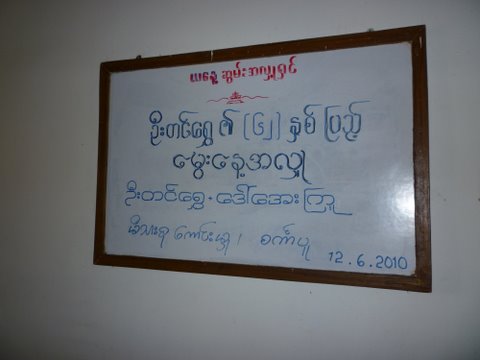
စင္ကာပူဗုဒၶဂယာေမြးေန႕ဆြမ္းအလွဴ

၁၂-၀၆-၂၀၁၀
အိႏၵိယႏိုင္ငံ၊ ဗီဟာရ္ျပည္နယ္၊
ဗုဒၶဂယာေျမျမတ္မဟာ၌ တည္ရွိသည့္
အိႏၵိယႏိုင္ငံဆိုင္ရာပညာသင္ျမန္မာရဟန္းေတာ္မ်ားသာယာဖြံ႕ျဖိဳးေရးအဖြဲ႕ၾကီး

ျမန္မာဗုဒၶဘာသာပညာေရးဗိမာန္ ေတာ္တြင္
စင္ကာပူႏိုင္ငံမွ ဦးတင္ေရႊ+ေဒၚေအးၾကဴမိသားစု က
ဦးတင္ေရႊ၏ ၆၂ ျပည့္ ေျမာက္ေမြးေန႕အလွဴေတာ္အျဖစ္
အိႏၵိယႏိုင္ငံတြင္ တကၠသိုလ္ပညာဆည္းပူးေနၾကေသာ သံဃာေတာ္ အရွင္ျမတ္မ်ားအား ေန႕ဆြမ္းဆက္ကပ္လွဴဒါန္းခဲ့ပါသည္။

ၾကြေရာက္ေတာ္မူလာၾကေသာ သံဃာေတာ္အရွင္ျမတ္မ်ားက ေမြးေန႕ရွင္ႏွင့္ မိသားစုအေပါင္းတို႕ ေလာကီ ေလာကုတၱရာ ႏွစ္ျဖာေကာင္းက်ိဳး တိုးပြားေစေရး ရန္ေဘးကင္းေၾကာင္း ေကာင္းမႈမဂၤလာျဖစ္ပါေစရန္ ေမတၱာပရိတ္မႏၱာန္မ်ား ရြတ္ဖတ္သရဇၥ်ာယ္ခဲ့ၾကပါသည္။ နတ္လူသာဓုေခၚၾကေစေသာ္။